



Driving in Hawaii creates a very different ownership experience than driving in most mainland states. Many drivers focus on mileage when evaluating long term vehicle condition, but climate, air quality, humidity, road environments, and driving patterns can all affect how a vehicle ages over time. In Hawaii, those environmental factors may accelerate certain types of wear that mainland drivers may not experience as quickly or as consistently.
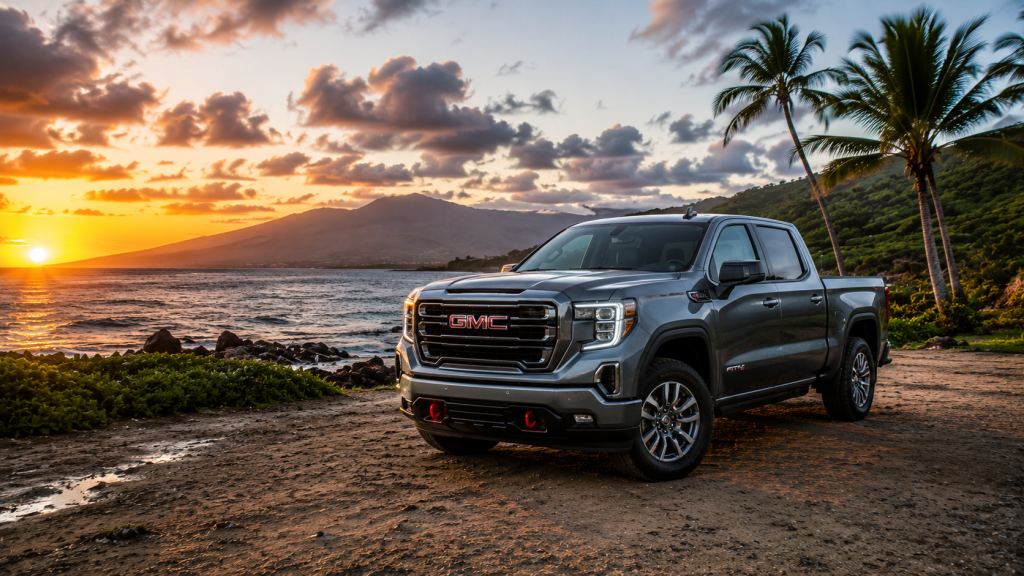
For GMC drivers, understanding how Hawaii’s environment affects vehicle systems can help support better maintenance decisions, improve long term reliability, and reduce unexpected repairs. Conditions such as coastal salt exposure, high humidity, intense UV exposure, short trip driving, and steep elevation changes all influence how different vehicle components behave over time.
How Hawaii’s Humidity Can Affect Vehicle Components
One of the biggest differences between Hawaii and many mainland regions is constant humidity exposure. High humidity levels can affect both exterior and internal vehicle systems, especially when moisture remains trapped over long periods.
Many shoppers researching “how humidity affects cars” are trying to understand why certain problems appear earlier in tropical climates. Humidity itself does not automatically damage a vehicle, but prolonged moisture exposure can contribute to corrosion, oxidation, and premature deterioration in certain materials.
In GMC models like the GMC Sierra 1500 or GMC Yukon, moisture exposure may affect:
- Brake components
- Battery terminals
- Electrical connectors
- Undercarriage hardware
- Weather seals
- Interior materials
Humidity can also create challenges for cabin air quality systems. Moisture buildup inside HVAC systems may contribute to musty odors if cabin air filters and evaporator systems are not serviced regularly.
Drivers living near the coast may notice these effects more quickly because humidity combines with airborne salt particles. That combination often creates a harsher environment for exposed metal surfaces.
This is why regular washing, underbody cleaning, and routine inspections can matter more in Hawaii than they might in drier mainland climates.
Why Salt Air Exposure Matters Even When You Do Not Drive on the Beach
A common misconception is that salt related wear only affects vehicles driven directly on sand or near ocean water. In reality, coastal air can carry microscopic salt particles inland, especially in areas with strong ocean winds.
Many mainland drivers associate corrosion primarily with winter road salt, but Hawaii drivers may experience year round salt exposure instead of seasonal exposure.
For GMC trucks and SUVs, salt air exposure may gradually affect:
- Suspension components
- Exhaust systems
- Brake lines
- Frame coatings
- Fasteners and brackets
- Wheel finishes
The GMC Canyon and GMC HUMMER EV, for example, both use advanced engineering and protective materials, but no vehicle is completely immune to environmental exposure over time. Salt accumulation that remains untreated may increase the likelihood of corrosion development underneath the vehicle.
This is one reason many Hawaii drivers search for phrases like “car maintenance Hawaii” or “vehicle wear and tear factors.” They are trying to understand why preventive maintenance may become more important in island climates.
Regular undercarriage rinses can help remove accumulated salt residue before it remains trapped against metal surfaces for extended periods.
Short Trip Driving Can Create Different Maintenance Needs
Another factor that affects vehicle wear in Hawaii is driving behavior itself. Many mainland drivers regularly commute long highway distances, but Hawaii driving patterns often involve shorter trips with more stop and go traffic.
Short trip driving can affect how certain systems operate because the vehicle may not remain at full operating temperature long enough during each drive cycle.
In GMC models equipped with turbocharged engines, advanced fuel systems, or emissions technology, repeated short distance driving may contribute to:
- Faster oil contamination
- Increased battery strain
- Carbon buildup over time
- Reduced fuel efficiency consistency
- Higher brake wear in traffic heavy areas
Drivers researching “car wear in hot climate” are often surprised to learn that heat alone is not always the primary issue. Driving patterns combined with climate conditions typically create the larger long term effect.
For example, a GMC Acadia frequently driven in stop and go traffic with short trips may experience different maintenance intervals compared to the same vehicle driven primarily on mainland highways.
This does not mean Hawaii driving is inherently harmful. It simply means vehicle systems may experience different operating conditions that can influence maintenance timing and component longevity.
Sun Exposure and Heat Can Affect More Than Paint
Hawaii’s strong sunlight and UV exposure can affect both exterior and interior vehicle materials over time. Many drivers immediately think about paint fading, but UV exposure may also influence rubber, plastic, leather, and electronic surfaces.
Vehicles parked outdoors regularly may experience faster wear involving:
- Dashboard materials
- Exterior trim
- Tire sidewalls
- Window seals
- Wiper blades
- Paint clear coat durability
For GMC vehicles with large infotainment displays and advanced interior technology, reducing prolonged interior heat exposure may also help preserve cabin materials over time.
Many drivers evaluating “vehicle wear and tear factors” are really trying to understand how environmental conditions change ownership expectations. Hawaii’s climate does not automatically shorten vehicle life, but it can increase the importance of consistent maintenance and protective care.
Simple habits may help reduce long term exposure effects:
- Parking in covered areas when possible
- Applying paint protection products
- Using windshield sunshades
- Cleaning salt and moisture buildup regularly
- Inspecting rubber seals and trim periodically
Elevation Changes and Terrain Can Influence Wear Patterns
Not all Hawaii driving conditions are tropical cruising or coastal roads. Many areas involve steep elevation changes, winding roads, and mountainous terrain that place additional demands on braking systems, cooling systems, and driveline components.
For GMC trucks like the GMC Sierra HD or GMC Canyon AT4, terrain capability is part of the vehicle’s design purpose. Still, elevation changes and heavier braking loads can increase wear rates differently than flat mainland driving environments.
Drivers in areas with frequent elevation changes may notice increased wear involving:
- Brake pads and rotors
- Transmission heat management
- Tire wear patterns
- Suspension components
This is especially relevant for drivers who regularly tow boats, trailers, or recreational equipment in Hawaii’s warmer climate conditions.
Many competing articles discussing Hawaii vehicle maintenance remain surface level and focus only on rust or heat. What often gets overlooked is how environmental conditions, terrain, humidity, and driving behavior all work together to influence vehicle longevity.
Understanding those combined factors helps drivers make more informed ownership decisions instead of reacting only after problems appear.
Owning a vehicle in Hawaii simply involves a different environmental relationship than mainland ownership. Climate, coastal exposure, humidity, UV intensity, and driving patterns all shape how vehicles age over time. For GMC drivers, recognizing those differences can support smarter maintenance habits, better long term reliability expectations, and more informed service planning based on real world island driving conditions.
Connect with us
