



Car battery smells like rotten eggs can point to hydrogen sulfide gas escaping near the battery. That odor deserves prompt attention because a healthy battery should not release a strong sulfur smell. Hydrogen sulfide can appear when a lead acid battery overheats, leaks, or receives too much charging current. Therefore, the smell is a clue that the battery and charging circuit need inspection. You do not need to panic, but you should avoid ignoring the odor.
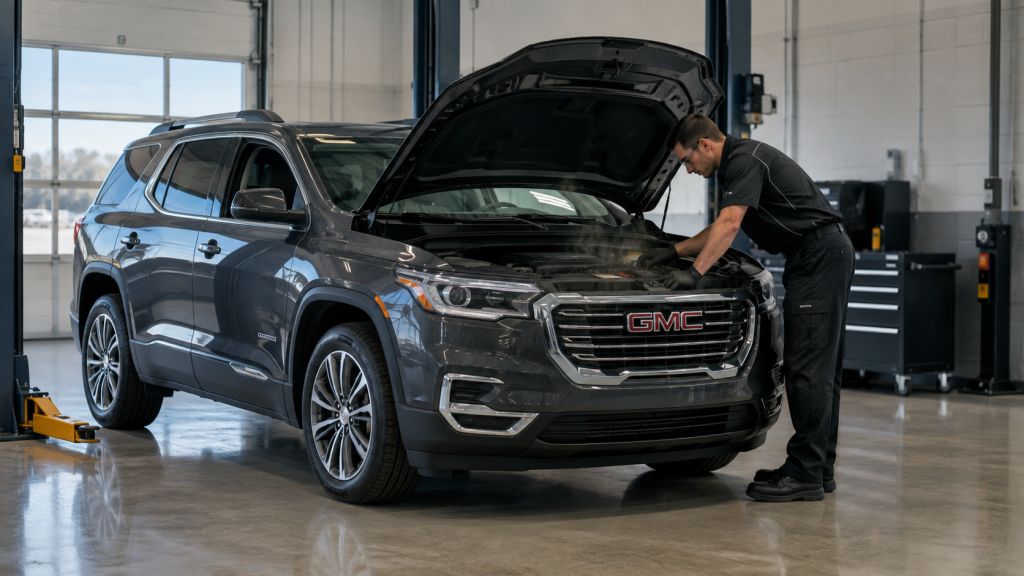
Car Battery Smells Like Rotten Eggs Because Gas Is Escaping
Why does a car battery smell like rotten eggs? Hydrogen sulfide is a sulfur bearing gas that can create this odor around a failing battery.
A conventional 12 volt lead acid battery contains electrolyte and lead plates inside a sealed or vented case. Chemical reactions inside the battery store and release electrical energy. However, excessive heat or charging can disturb that process and increase gas production.
Hydrogen sulfide carries a very distinct sulfur odor. Therefore, a rotten egg smell near the battery deserves attention even if the engine still starts. The battery may still provide power while internal damage develops.
Additionally, visible clues can support the diagnosis. Swelling, cracks, wet residue, heavy corrosion, or unusual heat deserve a closer look. A battery case that changes shape can indicate internal pressure or heat.
GMC models rely on the 12 volt battery for starting and many electrical functions. Because of that role, battery trouble can also show up through slow cranking or unstable electrical operation. Still, the odor itself should lead to inspection before the problem grows.
What Does Battery Acid Smell Like?
Battery acid is sulfuric acid electrolyte, while hydrogen sulfide creates the familiar rotten egg odor. The two substances are related to battery chemistry, but they are not the same thing.
Sulfuric acid sits inside many lead acid batteries as part of the electrolyte mixture. It is highly corrosive and can damage skin, eyes, clothing, and nearby materials. Therefore, visible leakage should never be handled casually.
Hydrogen sulfide is a gas. It can escape when the battery overheats or suffers internal trouble. Because the gas carries the sulfur smell, people may mistake that odor for liquid battery acid.
That distinction matters when you inspect the area. Wet residue near the case points toward possible electrolyte leakage. By contrast, odor without visible liquid can still point toward internal battery trouble.
Additionally, corrosion around battery terminals does not automatically identify the exact fault. Corrosion can form through several chemical processes around the battery. Therefore, a technician should inspect the case, terminals, cables, and charging output together.
If liquid is present, avoid touching it with bare skin. In addition, keep sparks, cigarettes, and open flames away from the battery area. A damaged battery deserves careful handling and proper service.
How Overcharging Can Heat a Battery
Can an alternator make the battery smell like sulfur? The alternator charges the battery while the engine runs, and excessive charging can overheat it.
The charging circuit regulates how much electrical energy reaches the battery. When voltage rises too high, the battery can receive more charging current than it should. Consequently, internal temperature can rise and chemical reactions can accelerate.
That extra heat can increase gas production inside a lead acid battery. Therefore, replacing only the battery may miss the source when the charging circuit has a fault.
A technician may inspect several areas after a sulfur odor appears:
- Charging voltage can show whether the alternator and regulator are sending the battery an appropriate electrical level.
- Battery temperature and case shape can reveal heat or pressure that deserves closer inspection.
- Cable and terminal state can show whether poor electrical connections are adding resistance or creating charging problems.
A weak alternator can create other electrical problems, but excessive charging raises a different concern. Therefore, the testing process should include battery health and charging output.
For GMC owners, this matters because a fresh battery can suffer damage if an unresolved charging fault remains. A complete inspection protects the replacement from the same cause.
When the Smell May Come From Somewhere Else
Does every rotten egg smell come from the battery? Sulfur odors can also come from fuel or exhaust faults, so odor location provides useful diagnostic context.
A catalytic converter processes exhaust gases before they leave the tailpipe. Fuel mixture problems or converter trouble can create a sulfur odor near the exhaust path. Therefore, the strongest smell location can guide the first inspection.
If the odor is strongest under the hood near the battery, battery trouble moves higher on the list. If the smell follows the exhaust stream, the technician may inspect fuel and exhaust components first.
Additional symptoms also matter. A battery problem may appear with swelling, corrosion, slow cranking, or electrical trouble. By contrast, an exhaust related issue may appear with poor engine operation, warning lights, or unusual exhaust odor.
Still, smell alone cannot confirm the exact source. A technician can inspect both areas when the origin is unclear. Therefore, avoid replacing parts based only on odor.
A GMC owner may notice the smell after parking, starting, or driving. The timing and location both provide useful clues. Sharing those details can make the inspection more focused.
What Should You Do When a Battery Smells Like Sulfur?
A sulfur odor near the battery calls for prompt inspection of the battery and charging circuit. The safest next step is to limit handling and have the source checked.
Do not lean directly over a swollen, hot, cracked, or leaking battery. In addition, keep ignition sources away from the area. Hydrogen sulfide and other battery gases deserve caution.
Before service, note what you observed:
- Odor location can show whether the smell is strongest near the battery or the exhaust.
- Visible swelling, wet residue, or corrosion can give the technician useful inspection clues.
- Starting trouble, warning lights, or recent charging problems can add context to the battery test.
If the battery feels hot or looks damaged, avoid unnecessary driving. Therefore, professional inspection should happen before you rely on the vehicle for another trip.
The technician can test battery state, charging voltage, cable connections, and visible battery damage. If the alternator is overcharging, that fault also needs correction before a replacement battery goes into service.
Car battery smells like rotten eggs should never become a background odor you simply accept. The smell can point toward battery gas release or another sulfur source. With a careful inspection, you can identify the source and handle the repair with clear information.
Connect with us
