



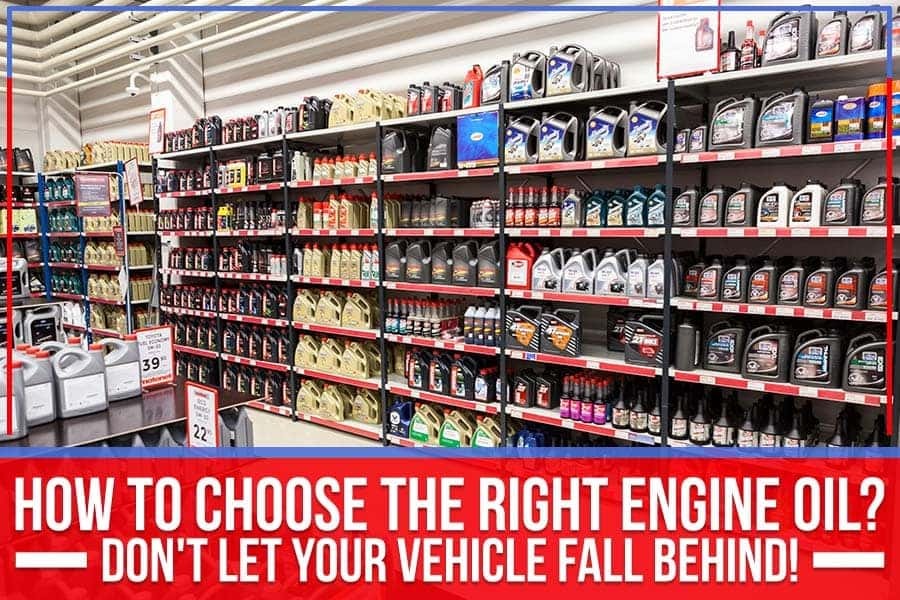
Engine oil is the lifeblood of your engine. It is, therefore, imperative to pick the right kind of oil for your car. However, there are many choices available in the market today, so it can be confusing for someone unfamiliar with the ins and outs of a car’s engine.
This blog post by Cutter Buick GMC provides you with a guide on choosing the right engine oil for your vehicle.
What Type of Lubricant Does Your Car Require?
Before anything else, determine what type of lubrication system your engine requires.
If it uses full-synthetic oil, then purchase it instead of conventional or semi-synthetic oils. Full-synthetic oil offers greater protection against friction which could damage metal parts inside an engine.
Semi-synthetic oils are usually created from a blend of conventional and full-synthetic oil. Conventional oils are the most affordable option, but they don’t last as long as full-synthetic oils.
In addition, find out what viscosity grade is required by your vehicle’s engine. Higher viscosity grades are more suitable for colder climates, while lower grades work better in regions with warmer weather.
Determine How Much You Can Afford to Spend on Engine Oil
Quality engine oil shouldn’t be cheap, which means that you have to consider your budget before going shopping for new oil. If you’re short on cash, then it might be wiser to opt for a semi or fully synthetic lubricant instead of the premium brands.
Consider The Specifications of Your Vehicle
Your owner’s manual should have a list or graph indicating what the manufacturer recommends specific viscosity grade. If you can’t find this information, then look at your vehicle’s oil filler cap for further guidance.
The best practice here would be to choose an oil whose SAE weight is closest to what’s indicated on the oil filler cap – the engine will be properly lubricated, and there won’t be any excess oil getting burned off during operation.
Determine if You Need an EPA-Rated Motor Oil
You’ll have to use only motor oils that bear an EPA establishment number in certain states. If you don’t know whether or not your area requires this, it’s best to choose an EPA-rated oil just in case.
Remember that the 5W30 viscosity grade is most commonly used for passenger cars and light trucks.
Check Out Customer Reviews
If you’re still on the fence about which specific product to buy, then make sure to look at customer reviews online before making your final choice. Some engines are more sensitive, and manufacturers may use various additives (like friction modifiers).
This means that certain motor oils may cause problems (like premature wear) while other products will work well with all kinds of engine setups. It’s also worth noting that some motor oils are specifically designed for cars with high-performance engines (in which case they would typically be labeled as “H/P” or something similar).
If you are having trouble choosing the right engine oil, Cutter Buick GMC, serving Waipahu, HI, is here to help you. Our staff is well-equipped to not only provide oil change and other maintenance/repair services, but we’ll also be happy to answer your questions and provide accurate information based on your engine’s make and model.
So, schedule your appointment now or bring your car in and let us take care of it.
How Frequently Should You Get Regular GMC Service?
Every GMC car is a piece of heavy-duty machinery made to last, but that doesn’t necessarily imply you can cut corners on regular maintenance. Maintaining a routine GMC service appointment can substantially increase the lifespan of your car and save you money on future repairs.
The Value of Regular GMC Maintenance
Regular maintenance is essential if you wish your GMC SUV or truck to retain its worth over time. Routine maintenance, such as oil changes, fluid exchange, and checking brakes, headlights, and wiper blades are examples of regular maintenance processes that guarantee your vehicle lasts for many years.
Proactive About Fixing and Replacing Parts
A vehicle part failure is often an upsetting and unforeseen surprise for drivers. Being proactive in fixing or replacing parts that are reaching the end of their useful life can save you from this inconvenient and often threatening situation. Our knowledgeable mechanics at Cutter Buick GMC know your vehicle inside and out and can quickly and accurately tell what needs fixing to keep your car running smoothly.
Talk to an Expert GMC Mechanic
The most crucial thing a GMC owner should keep in mind is that the maintenance schedule should be performed at a GM Certified service center. Our service technicians understand exactly what your GMC requires, and we keep the necessary parts on hand in case a replacement or repair is needed. We also keep close track of your service records, which will come in handy if you require us to file a warranty claim.
The Frequency of GMC Service
Drivers should seek advice from their dealer or owner’s manual for the precise maintenance schedule for their specific brand and model, but as a rule of thumb, every car should be brought in twice a year for an extensive service inspection. Warmer weather can often affect your car’s fluids due to evaporation. Hot pavement also places more strain on your tires.
What Comes with a Maintenance Inspection?
Preventative maintenance is essential for a vehicle to last for many years. This type of servicing enables your car to run smoothly and maintain its health. There are numerous routine maintenance procedures you can perform to aid your vehicle to last for many years. We’ve compiled a list of some of the more common services you’ll want to do yourself or have performed on your car.
The top ten maintenance procedures are:
At-Home Inspection. Checking your car is a way to guarantee your lights are functioning, tire pressure is adequate, check your mileage, ensure your tires have enough tread, and listen for any unusual sounds.
Fluids. In addition, you can know how to inspect your fluids, such as coolants, transmission fluid, antifreeze, and wiper fluid. The fluid level is visible in most cases, but there are vehicles with gauges and dipsticks to verify current levels.
Belts. Timing belt replacement should be every 60,000 miles, and serpentine belts every 40,000 miles. The instruction manual for your car will show you what the automaker recommends. Check that your belts are in good working order before they slide and cause more problems.
Oil. Oil changes are crucial for maintaining a safe and healthy car and should be done regularly. A dipstick or an electronic gauge, depending on your car, can be used to check the oil level. Oil changes should be performed every 3,000 to 10,000 miles, depending on the vehicle. Please check your owner’s manual for more details.
Battery. You should be aware of where the battery is under the hood, and if it is leaking or has corrosion, you should clean the terminals. With a battery cleaning brush, available at auto stores, it’s easy to clean, or you can also have it serviced. Keep jump leads in your trunk in case you must jump-start your car battery.
Windshield Wipers. When your windshield gets streaky and begins to obscure your view, it’s time to replace them. Wipers are simple to replace, and once you’ve done so, clean the ins and outs of your windshield.
Filters. Inspect and consider replacing your cabin filter and the air filter in your engine. You can perform cabin air filter replacement on your own, but the engine air filter change is more difficult to access and must be done by your trusted mechanic.
Tires. They must be checked for tread, rotated, balanced, and aligned to function well. If you live in a colder place, consider winter tires during the winter season.
Spark Plugs. Spark plugs support the operation and efficiency of your engine, and defective or worn-out plugs cause problems. The period between spark plug changes ranges from 30,000 to 100,000 miles. Check your car’s manual to find out when your vehicle’s spark plugs need replacement.
Roadside Assistance. This service pays off well when you need it the most. Some people frequently disregard this option when buying a vehicle, resulting in a tight spot, such as forgetting to change belts and breaking down on the roadside. Getting roadside assistance is a wise decision. You’ll have confidence in the meantime.
Get Quality GMC Service at Cutter Buick GMC in Waipahu, HI
It will only take two routine maintenance a year to ensure your car lasts for many years. It’s not time-consuming and not a huge money investment that will provide you with complete confidence and peace of mind as you drive your GMC vehicle. A maintenance inspection is frequently performed while you sit tight in our comfy visitors’ lounge, or you can use our complimentary shuttle service. In any case, we will have you successfully back on the road quickly and efficiently.
Our mechanics are factory-trained and certified to work on all makes of GMC cars. So don’t put it off any longer, contact Cutter Buick GMC in Waipahu, HI, today to schedule your next maintenance appointment!

So you’ve decided to trade in your car. Excellent decision! Now comes the hard part – getting your car ready for trade-in. You need to do a few things to ensure you get the most money for your car. This post will explain the entire process of preparing to trade in your car. We’ll talk about what you need to do before going to the dealership to get the best deal possible. Let’s get started!
Determine Your Car’s Trade-in Worth
Find out how much your car is worth as a trade-in. This can be tricky, as many factors contribute to your car’s value. The best way is to use an online tool like Edmunds or Kelley Blue Book value. These tools will consider your car’s make, model, year, mileage, and condition.
Once you estimate your car’s worth, it’s time to start preparing it for trade-in. It means ensuring it is clean and presentable inside and out.
Fix Mechanical Issues
If your car has any mechanical issues, it’s best to get them fixed before trading it in. Most dealerships will lower your vehicle’s worth if they know some problems need to be resolved. Plus, it’s just good practice to have a mechanically sound car. No one wants to buy a car that will give them trouble down the road. So, if you need new oil or new brakes, get it done before taking it to the dealership. You’ll likely get a lower trade-in value if you don’t, and you might have to pay for repairs anyway.
Repair Cosmetic Problems
Again, you don’t want to give the dealership any reason to low-ball you on your trade-in value. So, if there are any cosmetic issues with your car, it’s best to get them fixed. This includes things like cracked windshields, dents, or scratches. These might seem like minor problems, but they can add up and make your car look like it’s not been well-cared for.
Don’t Forget to Clean It.
You’d be surprised how many people try to trade in their car without first giving it a good cleaning. This is a big mistake! A clean car is much more likely to get a higher trade-in value than a dirty one. So, ensure to vacuum the floors and seats, wipe down all the surfaces, and wash the outside of your car until it’s sparkling clean.
If you take these steps before trading in, you’re more likely to get a higher value for your car. You can maximize your trade-in and get the best deal with a bit of preparation.
Cutter Buick GMC, serving Waipahu, HI, is a great place to start your search when buying a new car. The staff is helpful, honest, and knowledgeable, and they’ll help you find the perfect car for your needs. You can be sure that you’re getting a quality car when you buy a new car from our dealership. We also offer a great trade-in program to help you get the most for your old car. See us today and experience the difference! Check out our new cars here!
Fluids Your Automobile Will Be Grateful For
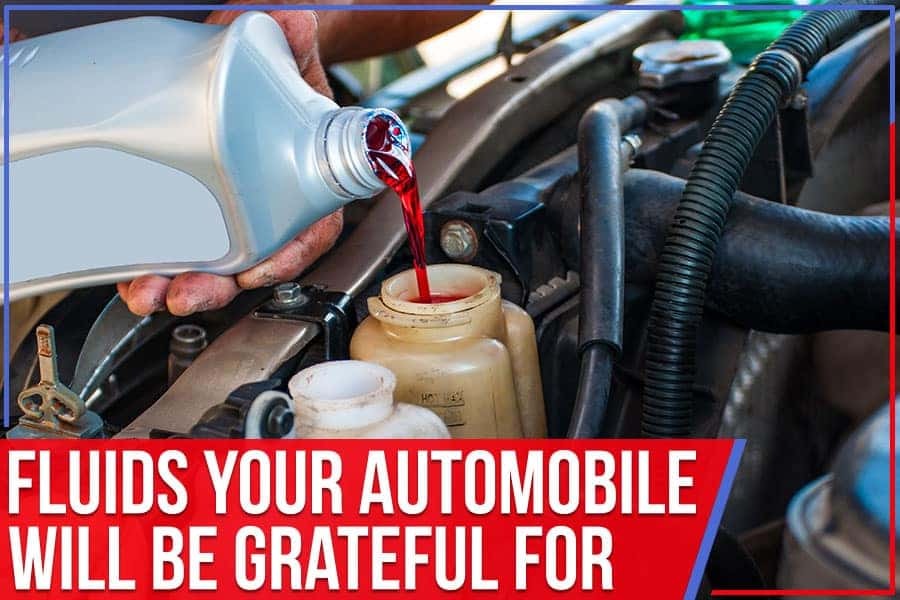
Day after day, we use our automobiles to commute to work, run errands, and take road trips. Will it be fair to leave them dehydrated and thirsty? NO! They need to be adequately hydrated with the proper fluids to function optimally like us.
Let Cutter Buick GMC show you the must-have fluids for your automobile.
Not Moving an Inch without Motor Oil
Can you imagine your car’s engine running without motor oil? The metal parts would quickly grind against each other and cause severe damage. Motor oil lubricates these parts to prevent friction and overheating. It also aids in the removal of dirt and debris from moving components by transporting them away.
How often you should replace your engine oil is determined in part by the manufacturer, but a decent rule of thumb is to replace it every 5,000 miles.
There are several different motor oil grades and types, so choosing the right one for your car is essential. Cutter Buick GMC can help you find the perfect oil for your vehicle and ensure it is appropriately topped.
A Car Needs a Good Brake Fluid, Too!
Brake fluid is another essential fluid for your car. It aids in the flow of pressure from the brake pedal to the braking system, which stops your automobile.
If your brake fluid is low, you may have difficulty controlling your car or experience poor braking performance. It’s a no-brainer that it can be hazardous to drive without proper braking power.
Brake fluid also needs to be replaced regularly. Brake fluid can be located in the engine compartment or the wheel well. Be sure to check your owner’s manual for the manufacturer’s recommendations on how often to replace your brake fluid.
On the Go with Transmission Fluid
The transmission is in charge of moving power from the engine to the wheels. This vital component has many moving parts that need to be adequately lubricated with transmission fluid to function smoothly. The functions that a transmission performs include:
- Gear changes
- Torque converter multiplication
- Brake band application
- Clutch operation
Transmission fluid that’s loaded with contaminants can cause damage to your car’s transmission. If you notice your car hesitating when shifting gears or leaking red fluid, it’s time for a change.
Brake Fluid is Important, But What About Coolant
The lifeblood of your car’s cooling system is coolant. Internal combustion engines produce a great deal of heat, enough to harm the engine if left unchecked. The cooling system aids in the engine’s continued functioning while remaining cool enough to avoid damage.
The thermostat opens once the engine is hot, allowing coolant to flow through the system. The coolant is a liquid that absorbs extra heat from the engine. It will go to the radiator to be cooled once it has acquired the heat. It will exit the radiator and begin again after cooling down.
Ending Note:
Cutter Buick GMC, serving car owners in the Waipahu area, offers a wide range of services to keep your vehicle in top condition. So whether you’re due for an oil change or need new brake pads installed, we can help.
Plus, by scheduling services online, you can save time and money. So why wait? Schedule a service appointment today!
Exploring An Automatic Car’s Gear Shifts!
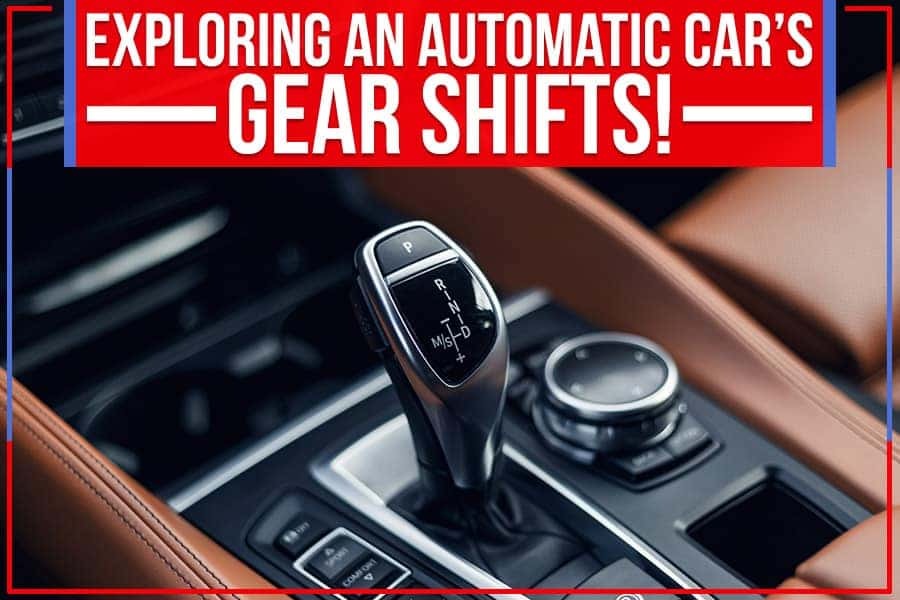
When it comes to our cars, many of us want to know how to drive them. We don’t want to get into all the little details, just the things we need to get by day-to-day. But some of us want to explore every nook and cranny of our cars. It includes understanding the symbols on an auto’s gear shift lever and how they function behind the scenes!
If you’re one of those curious drivers, read this blog post by Cutter Buick GMC for a primer on automatic transmission gear knobs.
How Does the Automatic Transmission Function?
As the name suggests, an automatic transmission (AT) is a type of transmission that doesn’t require the driver to shift gears manually. The car’s gears are shifted automatically by the car, based on speed and engine load.
Automatic transmissions have a complex system of hydraulic fluid, filters, and clutches that work together to shift the gears.
The computer sends a hydraulic fluid pressure to the appropriate clutch, engaging that gear. As you accelerate, your car will automatically upshift through the gears—until you get to top gear (or overdrive, denoted by an “OD” on the gear shift).
Top gear is the highest gear ratio in the transmission and is used to maintain high speeds on the highway. Once you reach a certain speed, the computer will automatically upshift into overdrive.
Letters on Your Automatic Shifter
- Drive (D):
‘D’ is the most common position for driving under normal conditions. The car will automatically shift through the gears as you accelerate.
· Low Gear (L):
Low gear is used for starting from a stop or climbing hills. The lower gears provide more power to move the car but at the expense of fuel economy and top speed.
· Park (P):
Park is used when the car is stopped, and you want to prevent it from rolling. You should only shift into park when the car is completely stopped.
· Reverse (R):
Reverse gear is used to back up the car. As with ‘park,’ you should only shift into reverse when the car is completely stopped.
· Neutral (N):
Neutral is a resting position for the transmission. The car will not move in neutral but can roll if on a slope. You should only shift into neutral when the car is stopped.
· Overdrive (O/D):
Overdrive is the high-gear setting on an automatic transmission. It is designed for fuel economy and is typically used at highway speeds.
Are you looking for a new car? We’ve got what you’re looking for at Cutter Buick GMC serving Waipahu, HI. Our GMC & Buick dealership is stocked with the latest models from Buick and GMC, so you can find the perfectly matched car for your needs.
Plus, we have an extensive selection of pre-owned vehicles if you want to save money but still get the best on the road.
Our finance team will proactively work with you to get you qualified for your budget. We want to ensure you can afford to drive away in the car of your dreams.
Expert Oil Change Services at Your GMC Dealership
An oil change is one of the most crucial maintenance services your GMC needs. At your GMC dealer, the certified technicians offer expert oil replacement services, including a complimentary multi-point vehicle inspection to keep your truck or SUV reliable and fuel-efficient and extend the life of your engine.
Expert Oil Change Services at Your GMC Dealer
Our GMC Service Department
When it comes to your GMC, you want the best, top-quality services from the professionals at an authorized GMC dealer who know your truck or SUV inside and out. That’s why it’s crucial to count on our team of GMC-trained and certified technicians for an oil replacement at least twice a year or when you get the “Change Engine Oil Soon” message from your GMC’s Oil Life Monitoring System.
When our technicians perform an oil change, they use only GM-approved synthetic oil and conduct a thorough, complimentary multi-point vehicle inspection to ensure it’s operating at peak performance. With our expert oil replacement services, you can rest assured that your vehicle will receive the top-quality maintenance and care it deserves.
Synthetic Oil Replacements
Using the right oil for your engine is paramount to ensure maximum protection. Your vehicle’s oil lubricates the engine to minimize friction, heat, and wear, ensuring the components operate smoothly. However, the oil can get contaminated and deteriorate with usage and time, leading to insufficient lubrication, increased friction, and high fuel consumption. Synthetic oil is widely regarded as the superior choice.
It has a more uniform molecular structure, which doesn’t break down as quickly, offering increased engine lubrication, reducing friction, and preventing wear. Synthetic oil has a longer life than conventional oil and can withstand the high temperatures generated in your vehicle’s engine. Due to its excellent high-temperature protection, your vehicle may not require an oil change as often, extending the intervals between oil replacements.
Oil Filter Replacements
Changing your vehicle’s oil filter at the intervals recommended by GM or when you receive an alert from the Oil Life Monitoring System is vital to prevent engine damage and maintain proper engine performance. As part of our synthetic oil replacement service, our technicians also replace your vehicle’s oil filter.
The oil filter removes harmful contaminants from the oil that can otherwise cause severe engine damage. Replacing the old filter with a new one will keep the oil clean longer and keep dirt and debris away from the engine.
Complimentary Multi-point Vehicle Inspection
When you schedule an oil change at our GMC dealer, our certified technicians also perform a comprehensive Multi-Point Vehicle Inspection. This inspection helps evaluate the overall condition of your vehicle’s critical systems and components, enabling our technicians to detect problems before they escalate, cause severe damage, and costly repairs. We offer the following inspection checks at no extra cost to you:
Remaining Oil Life Check
The oil in your vehicle is vital to keep the moving components well-lubricated and running smoothly. Our technicians will check the remaining oil life percentage if you drive a newer GMC model with an Oil Life Monitoring System. The check will ascertain whether your vehicle requires an oil replacement.
Fluid Level Check
The fluids in your vehicle lubricate and cool the different mechanical components. Our technicians will check all your vehicle’s fluids to ensure they are all at the recommended levels. They will also look at the color and consistency of the fluids to see if they need to be replaced.
Brake Inspection
When you apply the brakes, multiple components work in unison to slow down your vehicle. These include rotors, brake pads, brake lines, and the brake master cylinder, all of which must function correctly. To keep you safe behind the wheel, our technicians thoroughly inspect your vehicle’s brake system, checking the lines, hoses, and parking brake. They also measure the brake pads to determine their thickness and whether they need to be replaced.
Battery Inspection
The lifespan of car batteries is typically between three and five years. Therefore, it’s crucial to have your battery inspected and tested regularly, particularly if it’s over three years old. This will help prevent unexpected breakdowns and avoid you being stranded on the roadside.
Our technicians will visually inspect your battery cables and connections to ensure everything functions correctly. Additionally, they will perform a battery test to determine the voltage level of the battery.
Tire Inspection
Your vehicle’s tires are the only components that come into direct contact with the road, making them susceptible to significant wear and tear. Worn-out or damaged tires can have a detrimental effect on your vehicle’s steering and braking performance and can significantly increase the likelihood of a blowout. This, in turn, can lead to accidents, making it crucial to keep your tires in good condition.
During our GMC dealer oil replacement service, our technicians will thoroughly inspect your tires to ensure they are properly aligned and balanced and check each tire’s tread depth and wear pattern. They will also examine the sidewalls for cracks, cuts, and bubbles caused by debris on the road. Structural damage is a significant safety hazard, so catching potential issues early on is essential.
Critical Systems Inspection
During a multi-point vehicle inspection, all your vehicle’s vital systems and components will undergo a thorough examination. The technician will also check for leaks.
Wiper Blades and Glass Inspection
Your wiper blades must clear your windscreen effectively. The wipers shouldn’t leave streaks, make high-pitched sounds, or skip across the windshield. If the wiper frames or blades are worn or damaged, and the glass is chipped or cracked, it will hinder your visibility.
Our technicians will thoroughly examine your front and rear wiper blades to check that they work properly and inspect your window glass for damage to ensure you have the visibility you need in inclement weather conditions.
OnStar Subscription Assessment
Safety is of utmost importance on the road. OnStar is an incredibly advanced system that gives you peace of mind by offering reliable safety and security features. Our technicians will conduct an assessment to ensure that your OnStar system subscription is connected correctly.
Check your GMC owner’s manual for details on the recommended oil replacement intervals and the proper oil best suited for your specific model. Call Cutter GMC in Waipahu, HI, today to schedule an appointment, and our certified GMC technicians will perform an expert oil replacement and a multi-point vehicle inspection.
Spark Plugs – Working, Benefits & Maintenance
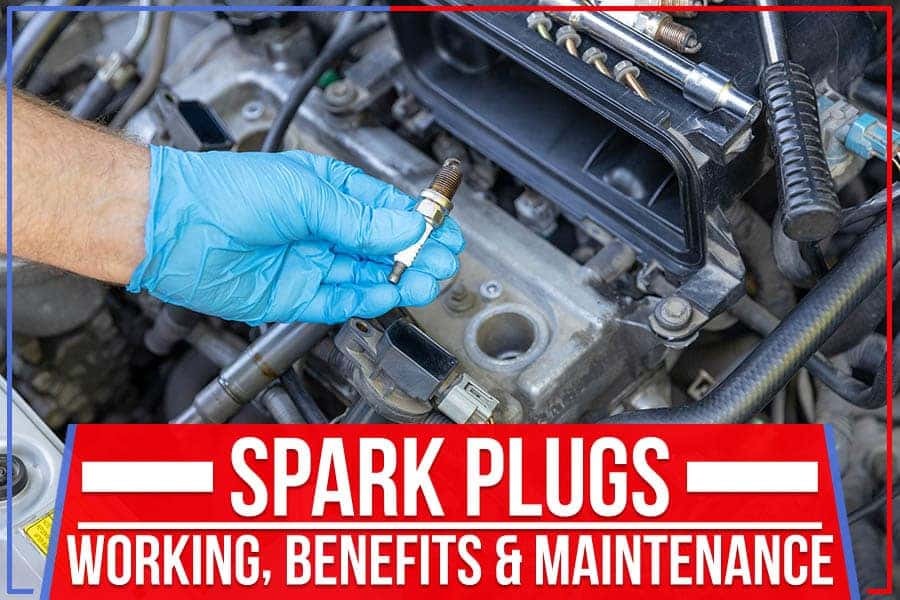
How often have you asked yourself, “What does a spark plug do?” I’m guessing more than once. Spark plugs are one of those car parts that we don’t think about very often until they stop working properly.
Spark plugs are a critical component in your car’s engine. They provide the spark necessary for combustion and are responsible for turning fuel into kinetic energy.
But what do they look like, how do they work, and what benefits do they bring to your ride? This Cutter Buick GMC, serving Waipahu, HI, will discuss everything you need to know. Keep reading to find out!
What Do Spark Plugs Look Like?
Spark plugs have a very simple design. They typically have a threaded metal shell with a protruding electrode in the center. This electrode is responsible for creating the spark that ignites the air/fuel mixture in the engine. The spark plug also has a ground electrode that completes the circuit.
How Do Spark Plugs Work?
Spark plugs work by creating a spark that ignites the air/fuel mixture in the engine’s cylinders. The spark plug has an electrode that protrudes from the metal shell and comes into contact with the ground strap. When the electrode contacts the ground strap, it creates a spark that ignites the air/fuel mixture. It starts the combustion process, which is responsible for turning fuel into kinetic energy.
What Are The Benefits Of Spark Plugs?
Spark plugs provide many benefits for your car.
1. They improve fuel economy:
Spark plugs that are in good condition help your car’s engine run more efficiently, leading to better fuel economy.
2. They improve performance:
Old and faulty spark plugs might cause your automobile to fail to fire properly. It can result in a loss of power as well as acceleration. Replacing spark plugs improves the performance of your car.
3. They reduce emissions:
Another benefit of spark plugs is that they help reduce emissions. Old or damaged spark plugs can cause your car to produce more emissions.
4. They extend the life of your engine:
Finally, spark plugs can help extend the life of your engine. It is because they help to keep your engine running smoothly and efficiently.
When Should You Change Your Spark Plugs?
Most carmakers recommend changing your spark plugs every 30,000 to 50,000 miles. However, this varies depending on the make and model of your car. Some cars have iridium or platinum spark plugs that can last 100,000 miles.
It’s a good idea to check your owner’s manual to see what the recommendation is for your car. You may also want your spark plugs checked during routine maintenance visits.
Signs That You Need New Spark Plugs:
There are several clues that you reveal you require new spark plugs. These include decreased fuel economy, increased emissions, misfires, engine vibration, and difficulty starting the engine.
If you detect any of these indications, it’s time to have your spark plugs checked. Ignoring these signs can lead to bigger problems down the road.
Conclusion:
Spark plugs are often overlooked parts of a car. They work to ignite the fuel-air mixture in the engine cylinders and create the power that makes your car go. If your spark plugs aren’t working properly, you may experience decreased performance or a seized engine.
At Cutter Buick GMC, serving Waipahu, HI, we want our customers to be well-informed about their cars and how they work. So, we’ve put together this short guide on spark plugs – so you can understand what they do and how to take care of them.
Be sure to browse our parts inventory and schedule services with our service department today!
10 Blunders to Avoid When Buying Your Dream Car
May 30th, 2023 by support@leadrevenue.com
Share this Post: Share on Facebook Share on Twitter
According to a Lending Tree survey, about 40% of car buyers regret their purchase. Some regret because of things they’d have avoided if they’d known better. At Cutter Buick GMC, we want you to be happy with your new car purchase. To ensure you don’t join that club, and ensure you get the best deal on your dream car, here are 10 blunders to avoid:
1. Not Setting a Realistic Budget
Research your ideal car and its associated costs before you start shopping. Know how much you can realistically spend, and don’t forget to factor in things like insurance, taxes, registration fees, gas money, maintenance costs and depreciation. Many car buyers get overly excited about the prospect of owning a car and forget their budget, leading to a purchase that doesn’t fit into their financial situation. You want to avoid being in a situation where you can’t afford the car and its associated expenses.
2. Not Researching Your Option
Before you commit, be sure to shop around for the best purchase option available. Consider things like warranties, financing details, and other incentives that might be worth considering when making your decision. Don’t just focus on the price tag, research all of the details. What value are you getting in return for your purchase? Is it worth the cost?
3. Skipping a Test Drive
Test driving is an essential step in purchasing a car. It allows you to get comfortable with how the car feels and handles before making any big decisions. A test drive also allows you to check out certain features that may not have been evident during your initial research. Don’t skip this step — take the time to confirm that the car is right for you. Ideally, test driving should be done at different times of the day if that’s what you think is right.
4. Not Checking the Vehicle History Report
A car might be attractive on the surface, but that doesn’t mean it’s worth the cost. It’s important to check out the background and history of a vehicle before making any decisions. One way to do this is by ordering a Vehicle History Report through an online provider such as Carfax or AutoCheck. These reports provide detailed records on a car’s service, number of owners, and accident or damage reports. It’s always better to be informed before you buy, so make sure to get a full overview of the vehicle’s past.
5. Not Checking for Recalls
No matter how well-maintained or new a car is, it’s important to make sure there are no recalls on the model before you buy. Although recalls are sometimes issued due to minor problems, they can also be issued for larger safety concerns. To check if a vehicle has any recalls on it, drivers can visit the National Highway Traffic Safety Administration’s (NHTSA) website and search by their Vehicle Identification Number (VIN). If there are any open recalls, make sure to get them addressed prior to buying or driving the car.
6. Not Shopping Around for Insurance
The cost of car insurance is often an afterthought for most car buyers yet it’s one of the biggest expenses associated with owning a vehicle. Different insurers may offer different rates for the same coverage, so be sure to compare multiple quotes before selecting an insurance policy. Also be aware that some dealerships may require buyers to purchase certain types of coverage, such as Gap Insurance or Extended Warranty policies, in order to complete the purchase.
7. Not Assessing Their Needs Properly
Before buying a car, it’s important to assess your needs and consider what features you require from the vehicle. Consider factors such as seating capacity, cargo space, fuel economy, and performance when deciding which car is best for you. It’s also wise to research different models to ensure that the one you choose meets all of your needs.
8. Buying Features You Don’t Need
Avoid the temptation to buy features you may not need. While it may be tempting to add all of the bells and whistles, such as power windows, GPS navigation systems, and extra audio equipment, these extras can drive up the cost of your vehicle significantly. Stick to the necessary features for a more economical purchase. This is particularly true if you are getting a loan to purchase the vehicle as you don’t want to be saddled with too much debt.
9. Not Considering Used Over Brand New
Zero mileage cars are a great allure, but the truth is that you may be able to find a much better deal on a used car. Used cars depreciate in value much more slowly than brand-new ones and they can offer the same features and reliability as their newer counterparts. Do some research and shop around for the best deals available.
10. Ignoring Reviews and Testimonials About Your Preferred Car
You should read reviews and testimonials about your preferred car before making a purchase. Get an unbiased opinion about the features, performance, and reliability of the vehicle to make sure that you are getting the best value for your money. Checking with trusted sources such as Consumer Reports can help you make an informed decision. When possible, take a test drive in a car and talk to friends and family who have owned the car before to make sure that your dream car is exactly what you want.
Talk to Cutter Buick GMC Today to Buy Your Dream Car
These are some of the blunders that you should avoid when buying your dream car. By following these tips, you can ensure that you get the best value for your money and drive away with a car that you will love. At Cutter Buick GMC, we understand that buying your dream car is an important decision. That’s why our team of experienced sales professionals is here to help you find the perfect vehicle for your needs and budget. We can answer any questions you may have about specific features and models, so don’t hesitate to contact us anytime.
6 Signs Your Buick or GMC Needs Brake Repair
When a road accident occurs in the US because of a vehicle defect, brakes are to blame 22% of the time. Drivers in Waipahu, HI, face the very same risk if they neglect their brakes. To ensure that you never experience the scary prospect of brake failure, it’s important to notice signs of brake trouble early on and head straight to your nearest GMC dealer for brake repair without delay.
6 Signs Your Buick or GMC Needs Brake Repair
Screeching Brake Pads
Every time you use our brakes, the brake pads are pressed against the rotor, generating friction that slows and stops your car. When used, the upper friction layer on each brake pad wears down a little more. Eventually, worn-out brake pads need to be replaced.
You’re likely to be warned of a worn-down pad by a high-pitched screeching sound. As unpleasant as this noise may be, it’s actually purposefully created by the brake pad designers. When a pad is almost finished, a tiny metal tab is uncovered that scrapes against the rotor, generating the screeching sound. When you hear this noise, ask a trusted technician at your local GMC dealership to inspect and replace the worn-out pad.
Metallic Grinding Sounds
If you ever hear a heavier metallic grinding sound while braking, you might have a more serious problem to resolve. One common cause of grinding noises is when the friction layer on a brake pad has worn away altogether. This means the pad’s metal plate is scraping directly against the rotor disc.
Not only might reduce your car’s stopping power, but it can also rapidly damage the rotor. This would mean a more expensive brake repair job than simply replacing a brake pad. So if you hear grinding sounds when you press the brake pedal, don’t hesitate to get the problem fixed.
Vibrating Brake Pedal
As durable as brake rotor discs are, they also wear down over time. An aging rotor can sometimes become scored by a brake pad or warped out of shape by overheating. If this occurs, the misshapen rotor may generate rhythmic vibrations that you can feel through the brake pedal or even through the steering wheel.
If a damaged rotor isn’t excessively worn down, it can sometimes be repaired with a resurfacing process. However, overly thin or badly warped rotors will often have to go.
Car Tugging to One Side
Has your car started veering to one side when you brake? This issue might be caused by a range of underlying problems. Firstly, most brake faults develop on one side of a car rather than evenly on both sides. This naturally decreases the stopping power on that side of the vehicle, which results in a slight pull in the opposite direction: the side of the car that now has stronger brakes.
Aside from brake-related problems like worn-out brake pads, brake fluid leaks, brake fluid contamination, and caliper faults, tugging to one side might also be caused by other car parts malfunctioning. Bad wheel alignment, worn suspension components, uneven tire pressure, faulty steering linkage, or another other factor might be to blame. It’s best to have a local Waipahu, HI technician diagnose and fix the fault.
Diminished Stopping Power
Needless to say, one of the worst brake problems to experience is an unexpected loss of stopping power, especially if you need to brake suddenly in an emergency. The often winding mountainous roads near Waipahu, HI make any reduction in brake force particularly dangerous. If your brake pedal ever fails to slow your car down as it should, pull over safely as soon as you can.
Suddenly diminished stopping power is often called brake fade. One common cause of brake fade is overheating brakes, which can sometimes occur when brakes are used without pause for prolonged periods, such as when driving in heavy traffic, towing or carrying excessively heavy loads, or traversing very steep or winding mountainous roads. After experiencing brake fade, if your brakes are damaged or less effective, you’ll need to get brake repair at your nearest GMC dealer.
Spongy Brake Pedal
Another serious brake problem is leaking brake fluid. Brake fluid fills the brake lines and provides lubrication to various moving parts of your car’s braking system. Brake fluid also maintains hydraulic pressure within the brake lines that allows force to be transferred from your foot on the pedal to the calipers on each wheel. If any of your brake lines ever spring a leak, air will seep into the brake line and the hydraulic pressure will be reduced.
This loss of hydraulic pressure means your brake pedal can no longer effectively signal the connected caliper to apply the brakes. If this ever occurs, the brake pedal might feel slightly spongy underfoot. Pull over and look under your car for puddles of a transparent, yellow-tinted liquid. A technician will need to locate and repair a brake fluid leak, which might originate from a worn seal, caliper, master cylinder, or wheel cylinder.
Get Brake Servicing at Your GMC Dealer in Waipahu, HI
While drivers should keep an eye out for potential brake problems, routine preventative maintenance makes it far less likely that you’ll ever experience brake trouble in the first place. It’s advisable to visit a GMC dealer for brake servicing every 18,000 miles. Consider doing so even more frequently if you regularly drive under brake-heavy conditions, such as commuting into the rush hour traffic of nearby Honolulu or towing trailers into the mountains to the north of Waipahu, HI.
While servicing your brakes, the technician will check all the brake lines under the hood and beneath your car. They’ll raise the vehicle to remove the wheels and each braking component. They’ll carefully check each caliper, rotor, and pad for signs of wear and tear and let you know how much longer each part is likely to last.
Visit Cutter Buick GMC today to have your car’s brakes examined and repaired by experienced professionals. We’re a trusted local dealership offering a large inventory of new and used vehicles alongside top-notch vehicle maintenance to the drivers of Waipahu, HI, and all of Oahu.
9 Signs That Your Radiator Is Failing
Key Takeaway:
- Early detection of radiator issues is crucial to prevent engine damage.
- Keep an eye on coolant leaks, unusual smells, and engine overheating.
- Regular radiator maintenance is essential for optimal engine performance.
- Addressing radiator problems promptly saves you from costly repairs.
- Pay attention to warning lights and monitor your temperature gauge.
- Unusual noises and poor heating performance can signal radiator issues.
- A radiator flush helps remove contaminants and maintain efficiency.
- Inspect for visible corrosion or rust on the radiator and its components.
- Consult a professional if you notice any signs of radiator failure.
As a car owner, your vehicle is not just a means of transportation; it’s an investment in your daily life. Keeping it running smoothly involves more than just routine oil changes and tire rotations. One critical component that often goes unnoticed until it’s too late is the radiator. Your car’s radiator plays a pivotal role in keeping the engine cool, ensuring optimal performance. Recognizing the signs that your radiator is failing is essential to prevent costly repairs and protect your engine’s longevity. Is your car trying to tell you something? Read on to discover the signs that your radiator is failing and how early detection can save you from engine woes.
For more expert advice, contact our pros to keep your vehicle running at its best.
1. Coolant Leaks
The subtlest indicator that your radiator might be on the brink of failure is the presence of coolant leaks. Keep a vigilant eye on the ground beneath your parked car for puddles of brightly colored fluid, typically green or orange. Coolant is vital for regulating your engine’s temperature, and leaks can compromise the radiator’s efficiency, potentially leading to engine overheating and significant damage. Observing coolant pooling under your vehicle serves as a visual cue to investigate promptly and address the issue before it escalates into a more severe problem.
2. Unusual Smells
An olfactory alarm often precedes other signs of radiator trouble. A failing radiator emits distinctive smells, with a sweet or syrupy aroma signaling a potential coolant leak. If you catch this scent while driving or after parking your car, it clearly indicates that your radiator is faltering and coolant is escaping. Ignoring this distinct odor can result in a compromised cooling system, leading to engine overheating and more extensive and expensive damage down the road.
3. Engine Overheating
The most overt sign that your radiator is faltering is the occurrence of engine overheating. Consistent rises in your temperature gauge into the red zone or the illumination of a warning light on your dashboard unequivocally signal that the radiator is struggling to regulate the engine’s temperature effectively. Engine overheating is a serious issue that necessitates immediate attention. Operating your vehicle under these conditions risks severe engine damage, translating into costly repairs and potential long-term consequences.
4. Warning Lights and Temperature Gauge
Modern vehicles come equipped with advanced warning systems that communicate potential issues with the cooling system. If your dashboard lights up with a temperature warning or the temperature gauge spikes unexpectedly, it clearly indicates that your radiator may be encountering difficulties. These warnings serve as your car’s direct communication, urging you to address the cooling system promptly. Paying heed to these signals and acting swiftly can prevent extensive engine damage and the need for costly repairs.
5. Unusual Noises
A faltering radiator can make its presence known audibly. If you detect unusual sounds, such as hissing or gurgling, while your engine is running, it could indicate air or fluid escaping from the cooling system. These sounds point to potential issues with the radiator or related components. Timely attention to these auditory signals can prevent further damage and ensure that your cooling system operates efficiently, safeguarding your engine’s well-being.
6. Poor Heating Performance
While the radiator’s primary role is associated with cooling the engine, it also influences your car’s heating system. If you experience diminished heating performance in your vehicle, it might indicate radiator issues. A faltering radiator may struggle to regulate coolant flow, affecting the efficiency of your car’s heating system. If you find yourself shivering in a cold vehicle despite adjusting the temperature settings, it’s a clear signal to investigate potential radiator problems before they escalate.
7. Radiator Flush
Regular maintenance is the linchpin for a healthy radiator. Incorporating a radiator flush into your routine care involves draining the old coolant, eliminating contaminants, and replenishing the system with fresh coolant. This process efficiently removes debris, sediment, and rust that accumulate over time, ensuring optimal radiator efficiency and preventing the degradation of its components. A proactive approach to a radiator flush contributes to the longevity of your cooling system and supports the overall health of your vehicle.
8. Corrosion or Rust
Visible signs of corrosion or rust on the radiator and its components demand attention. Inspect the radiator for any discoloration, especially near seams and joints. Rust can potentially compromise the radiator’s structural integrity, leading to leaks and reduced efficiency. Addressing corrosion promptly is imperative to extending the radiator’s lifespan and preventing further deterioration. A visual examination can be a preventive measure to catch potential issues early and take corrective actions to preserve your radiator’s functionality.
9. Consult a Professional
When any of the signs mentioned above become apparent or if you suspect radiator issues, seeking the expertise of a professional mechanic is paramount. Radiator problems, if left unattended, can escalate swiftly, resulting in significant engine damage. A trained technician can conduct a thorough diagnosis, pinpoint the root cause of the issue, and provide recommendations for appropriate repairs or replacements. Swift consultation with a professional ensures that your cooling system is in optimal condition, preventing potential long-term damage and preserving your engine’s overall health.
Don’t Ignore These Signs of a Failing Radiator
Your car’s radiator is a silent guardian, crucial in maintaining your engine’s well-being. Recognizing the early signs of radiator failure is vital to preventing costly repairs and safeguarding your engine’s longevity. If you suspect radiator issues, act promptly by consulting a professional. For expert automotive care and advice, visit Cutter Buick GMC. Let’s ensure your vehicle stays cool, efficient, and reliable for miles to come.
Connect with us
