



9 Signs Your Car Needs Battery Service
Key Takeaways:
- Recognizing signs that your car’s battery needs service can prevent inconvenient breakdowns.
- Regular battery maintenance is crucial for the longevity and reliability of your vehicle.
- Understanding the symptoms of a failing battery helps you address issues before they worsen.
- Routine battery checks can save you money and keep you safe on the road.
- Consult your car dealership for professional battery service to ensure optimal vehicle performance.
Signs Your Car Needs Battery Service
As a car owner, one of your top priorities should be ensuring that your vehicle operates reliably and efficiently. Your car’s battery is a critical component in this regard, as it provides the electrical power needed to start your engine and operate various electrical systems. However, car batteries don’t last forever, and recognizing the signs that your battery needs service can save you from unexpected breakdowns and costly repairs. In this guide, we will explore nine common indicators that it’s time to schedule a battery service for your vehicle.
Slow Engine Crank
One of the most common signs that your car’s battery requires attention is a slow engine crank. When you turn the key to start your vehicle, the engine should crank over quickly and smoothly. If you notice that the engine cranks slowly or struggles to turn over, it’s a strong indication that the battery’s charge is low or that it’s reaching the end of its life. A clicking sound often accompanies this sluggish cranking speed. If you experience this, it’s advisable to have your battery and charging system inspected promptly to prevent getting stranded due to a dead battery.
Dashboard Warning Light
Many modern vehicles have a battery or charging system warning light on the dashboard. When your car’s onboard computer detects an issue with the battery or charging system, this warning light illuminates. It’s essential not to ignore this indicator, as it may signal problems with the battery, alternator, or other related components. If you see this warning light, it’s a clear sign that your vehicle needs attention. Have a professional mechanic, or your car dealership check your battery and charging system to determine the exact issue and prevent further damage.
Dimming Headlights and Interior Lights
Your car’s battery is responsible for supplying power not only to start the engine but also to illuminate the headlights, interior lights, and various other electrical components. If you notice that your headlights or interior lights are dimmer than usual, it could indicate a weakening battery. Dim lights suggest that the battery is struggling to provide sufficient electrical power to the vehicle’s lighting system. Sometimes, you may also observe dimming or flickering of dashboard lights. Ignoring this symptom can lead to complete battery failure and inconvenience.
Electrical System Malfunctions
Your car’s electrical system includes various components, such as power windows, radio, air conditioning, and more. If you experience malfunctions or unusual behavior with these systems, it could be linked to a failing battery. The battery provides power to these electrical components. When its charge is low, you may encounter issues like power windows moving slowly or not at all, radio or infotainment system problems, or inconsistent air conditioning performance.
Unusual Odor
A distinct and unusual odor, often a sulfurous or rotten egg smell, can indicate a battery problem. This odor is typically a result of a battery overcharging or overheating. When the battery overcharges, it can release hydrogen sulfide gas, which produces this distinctive smell. If you detect this odor, it’s essential to take it seriously, as an overcharging battery can be dangerous and lead to battery failure. Operating your vehicle with an overcharging battery may damage the alternator and other electrical components.
Corroded Battery Terminals
Corroded battery terminals can hinder the flow of electrical current and negatively impact your vehicle’s electrical system. If you notice a buildup of white or greenish corrosion on the battery terminals, it indicates that the battery is leaking acid or gas. Corroded terminals can lead to poor electrical connections, preventing your vehicle from starting or causing intermittent electrical problems. Cleaning the terminals may temporarily resolve the issue, but it’s essential to address the root cause, which is often a failing battery. A professional inspection is necessary to determine whether the battery needs service or replacement.
Old Age
In general, car batteries have a limited lifespan, typically ranging from three to five years, though this can vary depending on factors such as climate and usage. If your battery is approaching this age range, it’s a good idea to proactively have it inspected, even if you haven’t noticed any specific symptoms of battery failure. Aging batteries may still start the vehicle, but their capacity to hold a charge diminishes over time. By having an older battery tested and replaced if necessary, you can prevent unexpected breakdowns and maintain the reliability of your car.
Frequent Jump Starts
If you find yourself needing to jump-start your vehicle frequently, it’s a clear sign that your battery is struggling. Jump-starting can temporarily provide the required electrical boost to start your car, but it doesn’t address the underlying issue with the battery. Relying on jump starts as a routine solution is inconvenient and indicates a failing battery. Frequent jump-starts can also stress the vehicle’s charging system, potentially leading to alternator damage. It’s crucial to stop this cycle by having your battery inspected and replaced if necessary.
Swelling or Bulging Battery Case
Examining your car’s battery can reveal important clues about its condition. If you notice the battery case appears swollen or bulging, it’s a sign that the battery may be overheating or overcharging. A swollen battery case is typically caused by excessive heat, leading to battery failure and even rupture. In such cases, the battery should be replaced immediately to prevent potential safety hazards.
Conclusion
As a car owner, staying attentive to the signs that your car’s battery needs service is a proactive approach to preventing unexpected breakdowns and maintaining your vehicle’s reliability. If you notice any of the signs discussed in this guide, it’s advisable to consult your car dealership or a qualified mechanic for a thorough battery and charging system inspection.
Cutter Buick GMC provides comprehensive automotive services to address all your vehicle’s needs. From battery service and maintenance to professional inspections, our team of experts is here to keep your car in peak condition. Contact us today for your automotive service needs.
9 Reasons Your Car AC Compressor is Failing
Key Takeaways:
- A failing car AC compressor can lead to discomfort during hot weather.
- Recognizing the signs of compressor failure can save you from costly repairs.
- Regular AC system maintenance can prevent compressor issues.
- Consult a professional technician for accurate diagnosis and repairs.
As a car owner, there’s nothing quite as refreshing as stepping into your vehicle on a scorching summer day and enjoying the cool embrace of the air conditioning system. But what happens when that welcome relief is suddenly compromised, and you find yourself sweating in your own car? The culprit might be your car’s AC compressor. In this comprehensive guide, we will delve into the world of car AC compressors, exploring the reasons behind their failure, the signs to watch out for, and how proper maintenance can keep you cool even on the hottest days.
The Crucial Role of Your Car’s AC Compressor
Before diving into the reasons behind AC compressor failures, let’s understand this component’s essential role in your car’s comfort system.
Your car’s air conditioning system compresses and expands refrigerant gas to remove heat and humidity from the cabin air. The AC compressor is at the heart of this process. It compresses the low-pressure refrigerant gas into a high-pressure state, creating the conditions necessary for efficient heat exchange. In simpler terms, the compressor pumps the refrigerant through the system, allowing it to absorb heat inside your car and release it outside.
Without a functioning AC compressor, your air conditioning system can’t cool the air effectively, leaving you to swelter in the heat. Now, let’s explore why these compressors sometimes fail.
9 Reasons Your Car AC Compressor Might Fail
Refrigerant Leaks
Over time, the seals in your AC system can deteriorate, leading to refrigerant leaks. These seals are crucial for maintaining a tight seal within the AC system, and when they degrade, refrigerant can escape, affecting your AC’s cooling efficiency.
Moreover, accidents or impacts to your vehicle can cause physical damage to AC components, resulting in leaks. Even minor collisions or debris striking the AC components can lead to refrigerant leaks, eventually affecting the compressor.
Contaminants
Moisture can enter the AC system, leading to corrosion and potential compressor damage. Moisture is detrimental to the AC system, as it can react with refrigerant, forming corrosive acids that harm the compressor. Also, dust, dirt, or debris can accumulate in the system, affecting compressor performance. These contaminants can clog filters, block expansion valves, and lead to inefficient compressor operation.
Excessive Pressure
The expansion valve or orifice tube blockages can create high-pressure conditions, straining the compressor. When these components become blocked, refrigerant flow is restricted, causing pressure to build up in the system potentially damaging the compressor. Besides, adding too much refrigerant can cause excessive pressure, potentially damaging the compressor. Overcharging can result from DIY attempts at adding refrigerant or from inexperienced service.
Lack of Lubrication
Without proper lubrication, compressor components can experience friction and wear. The compressor relies on a specific type and amount of oil for smooth operation. Insufficient oil levels can lead to premature wear and failure. Leaks in the oil supply can also deprive the compressor of essential lubrication. Oil leaks within the AC system can reduce lubrication, causing damage to moving parts within the compressor.
Age and Wear
Like all mechanical parts, AC compressors have a finite lifespan and can wear out due to regular use. Over time, the compressor’s internal components can experience wear and tear, leading to decreased efficiency or outright failure.
Electrical Issues
Issues with the AC clutch, such as a worn-out clutch plate or faulty wiring, can prevent the compressor from engaging. The clutch is responsible for engaging and disengaging the compressor. If it malfunctions, the compressor won’t function properly.
Poor Maintenance
Neglecting to change the cabin air filter or clean AC components can lead to compressor strain. Accumulated dirt and debris within the system can impede airflow, causing the compressor to work harder. Failing to check and replace refrigerant as needed can affect the compressor’s performance. Regular refrigerant checks and maintenance are essential to keep the compressor operating optimally.
Excessive Use
Running the AC system at high settings and for extended periods can lead to premature compressor wear. Prolonged use at high cooling levels can stress the compressor more, potentially reducing its lifespan.
Environmental Factors
Very hot or cold weather conditions can place additional stress on the compressor, impacting its performance and longevity. Extreme temperatures can cause the compressor to work harder, potentially leading to wear and tear.
Now that we’ve explored the reasons behind AC compressor failures, let’s move on to recognizing the signs of impending trouble.
Signs of AC Compressor Failure
Detecting AC compressor issues early can save you from costly repairs and uncomfortable rides. Look out for these signs:
- Weak or Warm Air: If the air blowing from your vents feels warmer than usual or weaker, it may indicate compressor problems.
- Loud Noises: Unusual noises like clunks or squeals when you turn on the AC can be a sign of compressor trouble.
- AC Clutch Not Engaging: When you activate the AC, the clutch should engage with a noticeable click. If it doesn’t, there might be an issue with the compressor.
- Leaking Refrigerant: Puddles or stains beneath your parked car could signal a refrigerant leak and compressor strain.
- Increased Engine Load: A failing compressor can burden your engine, causing it to work harder and potentially affecting performance.
- Visible Damage: If you notice physical damage to the compressor, such as leaks, dents, or loose components, it needs immediate attention.
- Odd Smells: A musty or foul odor when you turn on the AC could indicate contaminated components within the system.
In conclusion, maintaining your car’s AC compressor is essential for enjoying a comfortable ride during hot weather. If you suspect AC compressor issues, don’t hesitate to contact Cutter Buick GMC for professional diagnostics and repairs. Remember, a well-maintained AC system ensures you keep your cool, no matter how scorching the day gets.
7 Safety Features Your Modern Car Should Have
Key Takeaways:
- Your safety on the road is paramount, and modern cars come equipped with advanced features to enhance it.
- From adaptive cruise control to blind-spot monitoring, these safety features can prevent accidents and protect you and your passengers.
- Understand the importance of these technologies in keeping you safe and informed while driving.
- When shopping for a new car, prioritize vehicles with these safety features to ensure a secure and enjoyable driving experience.
For any car buyer, safety is a top concern. Whether you’re commuting to work, running errands, or embarking on a road trip, knowing that you and your loved ones are protected is essential. In today’s automotive landscape, manufacturers have recognized this need and incorporated many safety features into their vehicles. At Cutter Buick GMC, we understand that safety is paramount to our customers in Honolulu and beyond. That’s why we’re here to guide you through the crucial safety features your modern car should have. As you explore our selection of vehicles, consider these features as vital components of your next car purchase, ensuring peace of mind with every drive.
Adaptive Cruise Control
Adaptive Cruise Control (ACC) is a standout safety feature in modern cars. ACC takes traditional cruise control to the next level by utilizing sensors and radar to monitor the distance between your car and the vehicle in front. This system automatically adjusts your vehicle’s speed to maintain a safe following distance, making highway driving more relaxed and secure.
But ACC isn’t just about convenience; it’s a valuable safety tool. It reduces the risk of rear-end collisions by maintaining a safe gap from the vehicle ahead, even if traffic suddenly slows down. Thus, it can help prevent accidents caused by delayed reactions.
Lane Departure Warning and Lane Keeping Assist
Lane Departure Warning (LDW) and Lane Keeping Assist (LKA) are safety features designed to combat one of the leading causes of accidents: lane drifting. LDW alerts you when your vehicle unintentionally drifts out of its lane, typically through visual or auditory warnings. On the other hand, LKA takes it a step further by actively assisting in steering your car back into its lane.
These features are especially valuable for long highway drives or during moments of driver fatigue when unintentional lane drifting becomes more likely. LDW and LKA work together to ensure you stay within your lane, reducing the risk of collisions due to lane departure.
Blind-Spot Monitoring
Blind spots, those areas around your vehicle not visible in your mirrors, have long been a concern for drivers. Modern cars address this issue with Blind-Spot Monitoring (BSM) systems. BSM uses sensors to monitor the areas alongside and behind your vehicle, areas that are typically challenging to see with mirrors alone.
When a vehicle enters your blind spot, BSM typically alerts you through visual indicators in your side mirrors or auditory signals. Some systems even offer active intervention, nudging your car away from a potential collision course if you attempt to change lanes while a vehicle is in your blind spot.
Pedestrian Detection and Automatic Emergency Braking
In today’s bustling urban environments, pedestrians can unexpectedly cross your path. Pedestrian Detection, often integrated with Automatic Emergency Braking (AEB), is a cutting-edge safety feature that uses cameras and sensors to identify pedestrians in or near your vehicle’s path.
When a potential collision is detected, your car can provide both visual and audible warnings to alert you. If you fail to react quickly, AEB can automatically apply the brakes to mitigate or prevent an impact. This feature is especially valuable in city driving scenarios, where pedestrian traffic is common and unexpected movements can occur anytime.
Forward Collision Warning (FCW) and Collision Mitigation Systems
Forward Collision Warning (FCW) is your virtual co-pilot, scanning the road ahead for potential hazards. It uses radar or cameras to monitor the distance between your vehicle and the one in front. When FCW senses an impending collision, it issues a warning, giving you precious seconds to react.
But what if you’re unable to respond promptly? That’s where Collision Mitigation Systems come into play. These systems can take action on your behalf. They apply the brakes or provide additional steering input to help you avoid or mitigate the severity of a collision. Whether it’s a sudden stop by the car ahead or a pedestrian crossing your path, FCW and Collision Mitigation Systems are your safety nets.
360-Degree Camera Systems
Parking and maneuvering in tight spaces can be challenging. That’s where 360-degree Camera Systems, or Surround-View Cameras, come to the rescue. These systems utilize multiple cameras positioned around your vehicle to provide a bird’s-eye view of your surroundings.
When you engage reverse or low-speed maneuvers, the system displays a composite image on your infotainment screen, offering a top-down perspective of your vehicle and its proximity to objects or obstacles. This feature not only aids in parking but also enhances safety by reducing the risk of collisions with unseen objects or pedestrians. It’s like having an extra set of eyes, making navigating crowded parking lots or tight city streets a breeze.
Rear Cross-Traffic Alert (RCTA)
Backing out of parking spaces or driveways can be a nerve-wracking experience, especially when your view is obstructed by surrounding vehicles or structures. Rear Cross-Traffic Alert (RCTA) is designed to alleviate this stress. RCTA uses sensors, often radar, to detect approaching vehicles or pedestrians from the sides as you reverse. The system issues alerts if a potential collision is detected, typically through visual or auditory signals. Some RCTA systems can even apply the brakes to prevent a crash if necessary.
Find the Right Car Today!
Your safety is our priority at Cutter Buick GMC. As you explore our selection of vehicles, we encourage you to prioritize models equipped with these essential safety features. From Adaptive Cruise Control to Lane Departure Warning and Blind-Spot Monitoring, these technologies are designed to keep you and your loved ones safe on the road.
Visit our dealership in Honolulu or explore our website to discover a wide range of vehicles equipped with these advanced safety features. Your peace of mind is just a test drive away. At Cutter Buick GMC, safety isn’t an option; it’s standard.
Top 9 Engine Noises You Should Never Ignore
Key Takeaways
- Engine noises should never be ignored, as they can be early warning signs of potential issues with your vehicle’s engine.
- Knocking and pinging sounds could indicate ignition timing problems or the use of incorrect fuel grade, necessitating prompt attention to prevent engine damage.
- Tapping or clicking noises may signal valve train or hydraulic lifter issues, requiring proper diagnosis and resolution to avoid valve train damage.
- Squealing or screeching noises may result from a loose or worn serpentine belt, and regular inspection is crucial to prevent accessory malfunctions.
- Rattling or clattering sounds may suggest timing chain or belt concerns, necessitating regular inspections to avoid severe engine damage.
Your vehicle’s engine is the heart of its performance, and any unusual noises coming from it can be a cause for concern. Engine noises vary in intensity and sound, but they should never be disregarded. Identifying and addressing engine noises promptly can save you from potential breakdowns and expensive repairs down the road. From knocking and tapping to hissing and whining, understanding these sounds can help you take the necessary steps to keep your vehicle running smoothly. Keep reading to find out more!
Ensure your vehicle’s engine is in top shape. Visit Cutter Buick GMC for expert maintenance and diagnostics.
Knocking and Pinging: Potential Causes and Concerns
A knocking or pinging sound coming from the engine is a cause for immediate attention. It may indicate a problem with the engine’s ignition timing, such as pre-ignition or detonation. These issues can lead to engine damage if left unaddressed. The knocking noise is often more noticeable when accelerating or under load. The incorrect fuel grade or carbon buildup can sometimes cause knocking sounds. Proper diagnosis and prompt resolution are crucial to prevent further engine damage and costly repairs.
Tapping or Clicking: Valve Train and Hydraulic Lifter Issues
A tapping or clicking noise can indicate a problem with the engine’s valve train, such as worn valve lifters or rocker arms. It may also be a sign of low oil pressure or a malfunctioning hydraulic lifter. If you hear this noise consistently, have your engine checked by a qualified mechanic to diagnose and fix the issue. Ignoring the tapping or clicking noise can damage the valve train, affecting engine performance and fuel efficiency.
Hissing or Whistling: Vacuum Leak Troubles
A hissing or whistling noise may point to a vacuum leak in the engine’s intake system. The engine requires a proper balance of air and fuel to run smoothly, and a vacuum leak can disrupt this balance, leading to poor performance and fuel efficiency. Addressing a vacuum leak promptly can prevent further damage to the engine and its components. Common causes of vacuum leaks include damaged hoses, gaskets, or intake manifold issues.
Squealing or Screeching: Serpentine Belt Woes
A high-pitched squealing or screeching noise when you start your engine or accelerate, could be due to a loose or worn serpentine belt. The serpentine belt drives various engine accessories, such as the alternator and power steering pump. If the belt is loose or damaged, it can cause these accessories to malfunction, affecting your vehicle’s performance. Regularly inspect and replace the serpentine belt to avoid potential breakdowns and costly repairs.
Rattling or Clattering: Timing Chain or Belt Concerns
A rattling or clattering noise may indicate a problem with the engine’s timing chain or belt. These components are crucial for synchronizing the engine’s internal components, and if they become worn or loose, it can lead to serious engine damage. Have the timing chain or belt inspected regularly to ensure they are in good condition. Ignoring the rattling noise can result in costly repairs and potential engine failure.
Grinding or Growling: Worn Bearings and Internal Component Issues
A grinding or growling noise from the engine could be a sign of worn bearings or damaged internal components. This noise is often more pronounced when the engine is under load or when you accelerate. Ignoring this noise can lead to further engine damage and costly repairs. It’s essential to have your engine inspected and diagnosed by a qualified mechanic to identify the source of the grinding or growling noise.
Humming or Moaning: Cooling System Warnings
A humming or moaning noise coming from the engine can indicate a problem with the engine’s cooling system, such as a failing water pump or radiator fan. Proper engine cooling is essential for preventing overheating and engine damage. If you hear this noise, have your cooling system inspected immediately. Addressing cooling system issues promptly can prevent engine damage and avoid costly repairs.
Sputtering or Backfiring: Fuel Delivery System Troubles
Sputtering or backfiring noises may be caused by issues with the fuel delivery system, such as clogged fuel injectors or a malfunctioning fuel pump. These problems can lead to poor engine performance and reduced fuel efficiency. Regularly maintaining the fuel delivery system, including cleaning or replacing fuel injectors, can help prevent sputtering or backfiring issues.
Loud Exhaust Noise: Exhaust System Malfunctions
A sudden increase in exhaust noise could indicate a problem with the exhaust system, such as a leaking or damaged exhaust pipe or muffler. A faulty exhaust system can lead to increased emissions and reduced engine performance. Regularly inspecting and maintaining the exhaust system can help prevent loud exhaust noise and improve overall engine efficiency.
Don’t Ignore These Engine Noises!
Engine noises should never be ignored, as they can be early warning signs of potential problems with your vehicle. Identifying and addressing engine issues promptly can prevent further damage and costly repairs. Regular maintenance and inspections by qualified mechanics are essential for ensuring your vehicle’s engine is in top shape. Visit Cutter Buick GMC for expert maintenance and diagnostics to keep your engine running smoothly and your vehicle performing at its best.
Car Battery: How to Care for Yours
Key Takeaway:
- A well-maintained battery is the key to a smooth and worry-free driving experience.
- Regularly inspect and maintain your car battery to avoid unexpected breakdowns.
- Keep your battery clean and free from corrosion to maximize its efficiency.
- Avoid leaving your vehicle unused for extended periods to prevent battery depletion.
- Extreme temperatures can affect battery life, so take precautions during hot summers and cold winters.
Your car’s battery is the heart of its electrical system, providing the necessary power to start the engine and run various components. Neglecting its maintenance can lead to inconvenience, unexpected breakdowns, and costly replacements. To help you ensure your car battery stays in optimal condition, we’ve compiled essential tips and tricks for proper care.
If you’re looking to buy a new car or need professional assistance with your battery, contact our Car Dealership today!
Regular Inspection and Maintenance
Regularly inspect your car battery for wear, leakage, or damage. Check the battery terminals and cables for any corrosion. If you spot any issues, address them promptly to prevent further damage. Additionally, schedule routine maintenance checks with your mechanic to ensure your battery stays in top-notch condition. A well-maintained battery not only prolongs its life but also reduces the risk of unexpected breakdowns, ensuring your vehicle remains reliable and ready to hit the road whenever needed.
Keep It Clean
Maintaining a clean battery is crucial for its performance and longevity. Clean the battery terminals every few months using a mixture of baking soda and water. That’ll help remove any corrosion and ensure a good connection between the battery and the cables. Corroded terminals can hinder the flow of electricity and weaken the battery’s power output, leading to difficulties in starting the engine. A simple cleaning routine can go a long way in keeping your battery in optimal condition and avoiding unnecessary inconveniences.
Avoid Long Periods of Inactivity
If you plan to leave your car unused for an extended period, consider using a battery tender or maintainer. These devices will keep your battery charged without overcharging it, preventing premature depletion and ensuring it’s ready to go when you are. Prolonged inactivity can cause sulfation, a process where lead sulfate crystals build upon the battery plates, hampering its ability to hold a charge. Investing in a battery tender protects your investment and avoids the hassle of a dead battery when you return.
Beware of Extreme Temperatures
Extreme temperatures, whether scorching hot or freezing cold, can significantly affect your car battery’s health. During summer, park your car in the shade whenever possible, and during winter, consider using a battery insulation kit to protect it from the cold. High temperatures can accelerate chemical reactions within the battery, leading to faster water evaporation and potential damage to internal components. On the other hand, freezing temperatures can slow down the chemical reactions, reducing the battery’s performance and making it harder to start your vehicle.
Turn Off Electrical Components When Not in Use
Leaving headlights, interior lights, or any other electrical components on when the engine is off can drain your battery. Always double-check that everything is turned off before leaving your car. Modern vehicles come equipped with various electronic gadgets and systems that draw power from the battery even when the engine is off. If you accidentally leave any of these components on, it can lead to a dead battery, leaving you stranded and requiring a jump start or, worse, a battery replacement.
Be Mindful of Short Rides
Frequent short rides don’t allow your car’s alternator enough time to fully recharge the battery after starting the engine. If possible, take longer drives occasionally to help maintain the battery’s charge. Short trips are especially common for urban commuters. They can lead to a phenomenon known as “surface charging,” where the battery doesn’t receive sufficient charging cycles, resulting in an insufficient power supply. Incorporating longer drives into your routine allows the alternator to recharge the battery fully, improving its overall health and longevity.
Secure Your Battery
Ensure your battery is securely held in place, as excessive vibrations can damage the internal components. If your battery isn’t fitting snugly, use a battery bracket or hold-down clamp to secure it properly. Vibrations can cause the battery’s plates to shed active material, reducing capacity and potential internal short circuits. A loose battery can also damage nearby components or even pose a safety risk in extreme cases. Securing the battery is a simple yet effective measure to protect both your battery and the overall well-being of your vehicle.
Test Your Battery
If you notice any signs of a weak battery or have concerns about its performance, have it tested by a professional. Most auto parts stores offer free battery testing, so you can quickly determine if a replacement is necessary. Testing the battery’s voltage and overall health allows you to make informed decisions and avoid unexpected breakdowns. A weak battery may still function but can leave you stranded when you least expect it. Regular testing helps identify potential issues early on, enabling you to take proactive steps and ensure a reliable and trouble-free driving experience.
Monitor Electrolyte Levels (For Non-Sealed Batteries)
For non-sealed lead-acid batteries, regularly check the electrolyte levels in each cell. Use only distilled water to top off any low cells, ensuring the plates remain adequately submerged. Avoid overfilling, as electrolyte expansion during charging can cause leakage. Sealed batteries, conversely, don’t require electrolyte checks, as they are maintenance-free.
Disconnect the Battery for Long-Term Storage
If you plan to store your vehicle for an extended period, consider disconnecting the battery to prevent slow discharge and potential damage. Remove the negative terminal first, followed by the positive terminal. When reconnecting, attach the positive terminal first and then the negative terminal.
Care for Your Car Battery!
Taking care of your car battery is essential to avoid unexpected breakdowns and costly replacements. By following the tips outlined in this guide, you can ensure that your car battery serves you well for a long time. Remember, a well-maintained battery contributes to a smooth and hassle-free driving experience. For reliable car options and professional assistance with your vehicle, visit our car dealership today!
7 Financial Perks Of Being a Responsible Driver
Your own safety and those you’re carrying around is motivation enough to drive responsibly. But you can also expect several financial benefits associated with responsible driving. Any time you’re on the road, especially when you’re driving your own vehicle, it’s important to be aware of your surroundings, obey the speed limit and practice good safety habits. These seven financial perks are among those that await responsible drivers:
1. Lower Insurance Premiums:
Being a good driver can reduce your car insurance premiums significantly. When you apply for insurance, companies that offer this service will often check your driving record to make sure that you are a safe driver. If you’ve had no accidents or tickets, you’ll be rewarded with lower rates. You want your record clean of any moving violations or accidents to get higher discounts from insurance companies.
2. Fewer Repairs and Maintenance:
Accidents can be costly, not just in terms of insurance premiums but also in terms of repair bills. After an accident, some parts of your car may need adjusting or replacement, which can add up quickly. Reckless driving may lead to damage to other people’s vehicles or property, which can also be expensive to pay for. Even if you don’t get into an accident, a person who drives safely is less likely to incur damage to the vehicle, so you won’t have to shell out money for costly repairs. A responsible driver is much more likely to avoid these costs and keep their car in good condition for longer.
3. Lower Gas Consumption:
Responsible drivers tend to use their brakes more than their gas pedals. You’ll not find these motorists revving their engines or changing gears forcefully. This means that they’ll save fuel by not speeding up and slowing down constantly, reducing the amount of gas they consume. Less fuel means less money spent at the pump, which could end up saving you hundreds of dollars a year.
4. No Hospital Bills From Car Accidents:
If you’re a responsible driver, then chances are that you won’t be getting into car accidents or need to go to the hospital. Not only will this save you money on medical bills but it will also spare you from the stress and hassle of dealing with insurance companies. Whenever you go to a hospital because of a car accident, you won’t be working and it could end up costing you a lot more than just the hospital bills. You may lose your job or business opportunities when you get hurt in an accident.
5. Traffic Tickets Won’t Bankrupt You:
One of the most common financial pitfalls for drivers is getting a traffic ticket. Traffic tickets can be extremely costly and if you’re not careful, it could end up costing you hundreds of dollars in fines or even court fees. When you commit these offenses regularly, the more your bills will increase. Responsible drivers are much less likely to get pulled over and more importantly, have lower chances of getting hit with hefty fines.
6. Retain The Resale Value of Your Car:
Selling an accident car can be a difficult task, especially if you’re selling it to an individual. Potential buyers tend to be very wary of cars that have been in accidents and will often try to negotiate the price down significantly. Being a responsible driver will help you to retain the value of your car and make selling it or trading it in easier. If you’re regularly serviced and maintain your car, this will also contribute to its resale value.
7. More Personal Freedom:
Responsible drivers don’t have to worry about being pulled over or stopped in the middle of their journey for breaking traffic laws. This can be more than just a financial benefit; it’s an emotional and practical benefit as well. You’ll have more peace of mind knowing you’re not breaking any laws and can enjoy your journey without worrying about being pulled over by the police. Additionally, having your driver’s license in good standing will open up more opportunities for you to take on certain jobs or activities that may require a valid driver’s license.
How Do You Drive Responsibly?
Driving responsibly is all about understanding and following the laws that apply to drivers. These include wearing a seatbelt, keeping your speed in check, obeying traffic signs and signals, and not drinking and driving or texting while driving, among many other things. Additionally, staying aware of your surroundings at all times will help you anticipate potential hazards on the road and take the necessary precautions to avoid them.
Additionally, you can become a responsible driver by getting proper training and practicing defensive driving techniques. By learning how to properly control a car in hazardous situations such as slippery roads or sudden turns, you can stay safe on the road and remain confident in your skills. Taking online courses or enrolling in a driver’s education program can equip you with the necessary skills to remain aware of potential threats and react properly to avoid them.
Reach Out to Cutter Buick GMC to Buy or Service Your Car
Being a responsible driver can have many benefits that go far beyond just financial savings. It’s important to consider all of these factors when choosing whether or not to be a responsible driver and take advantage of the various perks that come from doing so. When you’re ready to upgrade your vehicle, reach out to Cutter Buick GMC for a wide selection of new and used cars. We also provide top-notch service that will keep your car running smoothly regardless of the miles you put on it. Visit our Honolulu dealership today or give us a call at (808) 465-2189.
Key Takeaways:
In this post, we show you nine of the parking spots you should think twice before parking your new car. These places include:
- Under trees
- On steep slopes
- Too close to a corner
- The bottom of a slope
- Close to a water body
- High crime areas
- Underground parking
- Sandy, muddy, and gravelly surfaces
- On single yellow lines
There are anywhere between 2.5 to 7 parking spaces for every registered car in the US. From the outlook, this is enough parking for every car, but things are not simple as they sound. Most drivers don’t look forward to the prospect of parking as it can be a challenge finding the perfect parking spot, maneuvering in, and having the peace of mind that their car is safe. To help you protect your new car, here are 9 places you should think twice before parking it:
1. Under Trees:
Trees can be beautiful, but they come with the risk of leaking sap or dropping branches and leaves on your car. Bird droppings are also a common issue when parking under trees, and they can leave permanent marks on your car’s exterior. While this might not seem like serious damage, it can be a nuisance to clean up. A tree or branch fall can also cause dents and scratches on your car. So whenever possible, avoid parking under trees.
2. On Steep Slopes
No one is doubting your driving skills, but parking your car on a steep slope can be tricky and dangerous. The risk of rolling downhill increases with steeper slopes. You also put a lot of pressure on your handbrake, which can make it give away sooner than expected. The best solution is to find a spot on even ground or park perpendicular to the street if you must park on an incline. If you have a manual transmission and think that you must park on a slope, leave your car in first gear. This helps avoid straining the handbrake and minimizes the chances of your car rolling away.
3. Too Close to a Corner
Yes, parallel parking is tricky and you might be tempted to park too close to the corner for convenience. However, this is very dangerous as it obstructs visibility for cars coming from either side. Additionally, you may block fire hydrants and other important access points. It’s best to park in such a way that the car is at least 5 feet away from the corner so that visibility is not obstructed.
4. Parking at the Bottom of a Slope
We’ve all seen funny videos of cars rolling downhill on icy surfaces. Now imagine your new car at the bottom of a slope and another one rolling down uncontrollably towards it. Not only is this dangerous, but the added weight of a rolling car could cause serious damage to your vehicle as well. Avoid parking at the bottom of slopes and look for spots that are flat or slightly uphill instead.
5. Near a Water Body
Water bodies are beautiful and a nice place to enjoy a peaceful evening. But, parking your car near them can be risky because of the possibility of flooding. Bad weather conditions could cause the water to rise quickly and your car could be submerged. Even if there isn’t flooding, continually parking next to water (even near a small stream) moisture from the water could seep into your car’s electrical system and cause damage. If you must park near a water body, ensure that it is well-protected and far away from the shoreline. Also, make sure to check the local weather forecast in advance to be extra safe.
6. High Crime Areas
High crime areas should be avoided at all costs. Even if it’s convenient, parking in an area with a lot of crime can put your new car in danger; from theft to vandalism and even joy-riding. To avoid this, always research the area you plan to park in before leaving your car for a longer period of time. Better yet, use a parking lot or garage close by that offers surveillance and 24/7 security.
7. Underground Parking Garages
Underground garages can be great for long-term parking, but they’re also notorious for being damp and humid, which is not good for your car’s paint job or interior. Before you decide to park your car in an underground garage, make sure to check the air quality and temperature. If it’s too humid or damp, opt for an aboveground lot instead.
8. On Sandy, Muddy, Grassy, and Gravelly Surfaces
Sandy, muddy, grassy, or gravelly surfaces are notorious for sinking and your car can get stuck there if you’re not careful. Plus, parking on these surfaces can eventually cause damage to your car’s undercarriage. How? The dirt and sand can get into the crevices and damage the rubber seals, leading to rusting of metal parts. To avoid any potential trouble, it’s best to avoid parking your new car on such surfaces altogether.
9. On Single Yellow Lines
Although single yellow lines are usually used to indicate that you’re allowed to park your car in a certain area during some hours, or when offloading, double-check the parking regulations of your local municipality before doing so. In some cases, you may be fined for parking on a single yellow line even if it’s outside of restricted hours. You don’t want to get a parking ticket for your new car!
Need Help Finding Your Dream Car? Contact Cutter Buick GMC
Taking care of your car is important. Make sure you’re avoiding the places listed above to keep your car in pristine condition. If you’re in the market for a car, Cutter Buick GMC has a massive selection of new and pre-owned cars for you to choose from. With years of experience and tens of satisfied customers, we know what it takes to get you behind the wheel of your dream car. Contact us today for more information!

Key Takeaways:
- Tire load capacity is dependent on air pressure and needs to be adequately filled for safety.
- Without enough air, tires can experience blowouts from uneven wear.
- Keeping tire pressure in check can improve fuel efficiency, minimize the risk of a blowout, and extend the tire’s lifespan.
- Causes of low tire pressure include osmosis, temperature swings, damaged wheel/valve system, and tire damage/hazards.
- Regularly inspect and maintain tire pressure when tires are cold to ensure accuracy.
- Seek assistance from a reliable tire center near you for expert advice and service.
If you’ve ever found yourself asking why your tires are running low on air pressure, you’re not alone. Understanding the causes of low tire pressure can be complicated and intimidating, but having a little knowledge of simple tire maintenance and knowing when to get professional help is crucial. At Cutter Buick GMC of Waipahu, HI, a tire center near you, we specialize in providing quality service to ensure our customers have safe vehicles that run in tip-top shape.
In this blog post, we will provide an overview of the reasons for decreased tire pressure so that you can stay informed about how to properly care for your car’s tires.
Tire Pressure: Why it is Important for Your Car’s Performance and Safety?
Did you know that checking and maintaining the correct tire pressure on your vehicle is one of the most important steps to ensure a smooth and safe ride? As a car owner, you don’t want to be stuck with flat tires or blown-out rims when you least expect it. Here are some reasons why tire pressure is crucial for your car’s performance and safety.
- Tire load capacity is the weight a tire can bear – dependent on how much air pressure it holds. Filling your tires with enough air will increase their ability to support heavier loads and maximize safety for you and your passengers on the road.
- Keeping your tires well inflated is key to optimizing their lifespan. Without enough air, you run the risk of blowouts and other dangerous issues due to uneven wear on the treads.
- Maintaining the correct tire pressure of your vehicle is essential for experiencing its full fuel efficiency potential. Keeping it off-balance can make up to 3% of increased consumption.
By ensuring your tires are correctly inflated, you are taking a proactive approach to minimize the risk of a blowout while on the road. A properly inflated tire has less rolling resistance and lasts longer due to better contact with the road surface, saving you money in the long run.
Factors that can Lead to Low Tire Pressure
Car tires lose air over time for normal reasons, like Osmosis, also known as Permeation. Oxygen on the outside of car tire rubber migrates through its microscopic pores into the inner tube, where it dissipates into the nothingness inside the tire chamber; thus, making the pressure in that chamber lower than it was before. Tire air loss can vary significantly depending on the type of rubber and model.
- Temperature changes can significantly impact the air pressure in your tires. When it’s cold outside, the air particles shrink, resulting in less air filling up each tire. During hot weather, the air particles expand, increasing pressure in all four tires.
- A damaged wheel or poor valve system could also be the culprit. If a portion of your car’s wheel is badly bent or scratched, the tire has likely been punctured, resulting in a slow and gradual leak. Additionally, if the valve system becomes faulty due to poor construction, a weaker seal may form, which can cause air to slowly escape through time.
- Tire damage. Common causes of damage are nails, bead damage, and other hazards picked up while driving, such as pieces of glass or metal. Taking care of these problems early will prevent more severe issues like flats or blowouts later on.
Keep Your Tires Rolling Along by Maintaining Their Inflation
- Most suggest checking once weekly or monthly – but depending on your road conditions and driving style, you may prefer to inspect more regularly. If the roads are difficult with plenty of curbs, or if you’re an aggressive driver, keep extra vigilant in monitoring tire pressure. Sports and performance tires need to be monitored more vigilantly than off-road ones – their thinner sidewalls make them softer, meaning they’ll require regular checks for optimal safety.
- Tire pressure should always be checked when the tires are cold – meaning they haven’t been driven in two hours or have had a cooldown period overnight. It’s recommended that vehicles are parked in a shaded area when measuring with sunlight to ensure the most accurate tire pressure reading. If you’ve recently driven for more than 15 minutes, keep in mind to reduce your gauge’s measurement by about 1-2 psi.
- You must keep your car tires properly inflated for optimal performance and safety. This requires accuracy when checking the psi with a quality pressure gauge—even brand-new gauges can be off by three pounds per square inch! To ensure that your readings are accurate every time, stop in at any tire center near you and get the expert help of their specialists to calibrate yours. That way, small changes won’t go unnoticed, as you’ll always have reliable information on hand.
How to Check Tire Pressure

Proper tire pressure is essential for any driver or car owner. Knowledge of how to check the gauge can make a huge difference; you don’t want to take risks with your tires. Whether using pen-style, digital, or dial gauges – arm yourself with the information necessary and stay vigilant in keeping up on tire maintenance.
- Firmly insert a gauge probe into its valve stem.
- Ensure that it fits snugly with the tire valve.
- Make any necessary adjustments to ensure air does not leak out as you take the reading.
- Now you can check the PSI displayed on your pressure meter.
In Conclusion
Remember, no matter the cause of your problem, you should always take steps to maintain safe driving conditions. You can always head over to a tire center near you for additional advice and assistance if needed. Of course, being proactive and checking your tires often can save you from unpleasant surprises down the road. Be sure to keep your manual handy so that you can troubleshoot any issues that may arise more easily.
Seek Assistance from a Reliable Tire Center Near You
When looking for trustworthy tire center service, look no further than Cutter Buick GMC of Waipahu. You can rest easy knowing our shop represents some of the best brands! Book an appointment today at Cutter Buick GMC in Waipahu, HI, for a seamless experience when it comes time to get new tires or any other automotive service needs.
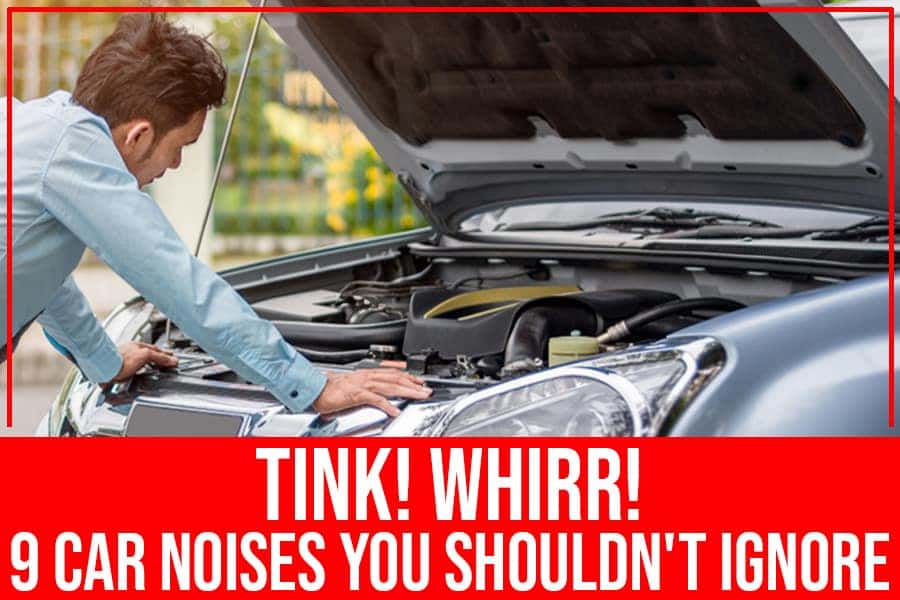
Tink! Whirr! 9 Car Noises You Shouldn’t Ignore
Key Takeaways:
- A rattling noise from under the hood is usually due to a loose heat shield. These shields are designed to protect engine components from the high temperatures generated by the exhaust system.
- Hissing is an outcome of coolant leaks. If there’s a leak, the coolant level will drop, and your engine could overheat.
- If you hear squeaking when you turn the steering wheel, it’s likely due to a problem with the power steering system.
- If you’re hearing a grinding noise, it’s best to have the brakes checked as soon as possible.
- If your car is making strange noises, bring it to Cutter Buick GMC service center. They have a solution for every problem.
You’re driving down the lane, enjoying the scenery and relaxing to your favorite tunes. Suddenly, you hear a strange noise coming from your car. You try to ignore it, but the noise persists. What should you do? Don’t worry! We’re here to help.
In this blog post, we’ll list ten car noises that you shouldn’t ignore. Keep reading to learn more!
1. A “Clunk” When You Go Over Bumps
Clunking sound from your car indicates that the shock absorbers or struts are beginning to fail. These parts work in unison to provide a smooth ride by absorbing the impact of bumps in the road. You’ll feel every little imperfection while driving when they’re not working properly. Not only is this an unpleasant driving experience, but it can also lead to more serious problems down the road.
Replacing shock absorbers and struts is typically not a do-it-yourself job and will need to be done by a professional mechanic. Cost for this type damage repair is between $1,000 – $4,000. And that value can go into excess!
2. Squeaks While Turning the Steering Wheel
If you hear squeaking when you turn the steering wheel, it’s likely due to a problem with the power steering system. The power steering system uses hydraulic fluid, which assists in turning the wheels. If there’s a leak in the system, you may hear a squealing noise as the pump tries to operate without enough fluid. This can make it difficult to turn the wheel, especially at lower speeds.
Power steering fluid flush and replacement cost around $100 – $200. However, power steering pump replacement may cost over $500. A professional mechanic will do these repairs.
3. Clunking Sounds When Shifting Gears
If you hear a clunking sound every time you shift gears, it could be due to a problem with your transmission. The transmission assembly is responsible for shifting gears in your car. Over time, the transmission fluid can break down and cause problems with shifting gears. In some cases, the transmission may need to be completely replaced.

4. Grinding Car Noise When Braking
If there’s a grinding noise every time you brake, your brake pads are likely worn out & need to be replaced. These pads act as a cushion between the caliper and the rotor. They can cause the caliper to grind against the rotor, creating an unpleasant noise when worn down. Replacing your brake pads is straightforward, so it shouldn’t cost too much.
5. Hissing Under the Hood
The hissing sound from under the hood could be due to a coolant leak. Coolant helps keep your engine temperature consistent. If there’s a leak, the coolant level will drop, and your engine could overheat. You’ll need to take your car to a professional mechanic for leak repair to fix this problem. Repairing this type of damage may cost you between $100 – $500.
Related: Watch Out For These 4 Signs Of A Faulty Radiator!
6. Clicking Noise When Turning
If you hear a clicking car noise when you turn the steering wheel, it’s likely due to a problem with the CV joint. The CV (constant velocity) joint allows the wheels to turn while the car moves. If there’s a problem with the CV joint, it will need to be repaired or replaced.
7. Rattling Under the Hood
A rattling noise from under the hood is usually due to a loose heat shield. Heat shields are designed to protect various engine components from the high temperatures generated by the exhaust system. Over time, they can become loose and rattle around.
The cost to replace a heat shield will vary depending on your vehicle’s make and model and where you have the work done.
8. Grinding When Braking
A grinding noise when braking usually indicates a brake pad or rotor problem. If the brake pads are worn down, they may start to grind against the rotors. This can cause damage to the rotors, which will need to be replaced.
If you’re hearing a grinding noise, it’s best to have the brakes checked as soon as possible.
9. Knocking and Tapping
A tapping noise that you hear while you’re driving could be an indication that your engine is low on oil. It’s crucial to check your oil level regularly & top it off if necessary; if you ignore this problem, it could damage your engine.
A knocking noise you hear while driving usually indicates that your engine is low on oil. As with the tapping noise, it’s important to check your oil level regularly and top it off if necessary; if you ignore this problem, it could damage your engine.
Related: Fluids Your Automobile Will Be Grateful For!
Conclusion
If you hear these car noises, don’t ignore them! Bring your car to a certified and professional mechanic as soon as possible to get it diagnosed and repaired. Continuing to drive with a problem can only worsen it and cost you more money in the long run.
Get your car serviced at Cutter Buick GMC, serving Waipahu, HI, and save money!
Our service coupons are updated regularly, so you can always get great value when you bring your car in for a tune-up or other service.
You deserve to treat your car to the best service possible, and at Cutter Buick GMC, we make it easy & affordable for you to do just that. Come see us today!

As a potential car buyer, there are many things to consider when making your purchase decision. One of the essential factors is taking a test drive. Unfortunately, many people make mistakes during this process that can cost them time and money. A test drive is not just about taking your choice car out for a spin; there is much more to feel behind the wheel than meets the eye. It is the time to put your senses & reflexes to the test & see how well the car responds to your styles.
People don’t pay much attention at this stage & buy into a car they can barely handle long term – avoid the following mistakes to make the most of your next test drive and car buying experience.
1) Not Inspecting the Interior and Exterior in Detail –
Before starting the car, it is crucial to inspect the interior and exterior thoroughly. The inspection gives you an idea of the vehicle’s overall condition and helps you spot any potential problems.
2) Not Asking Enough Questions –
When you test drive, you should be asking the salesperson lots of questions. This is the time to find out more about the car’s features, performance, and potential problems.
3) Going on a Short Drive –
A short drive will not result in enough clarity of how the car performs across various terrains. You ought to spend at least 30 minutes driving the car so that you can get a better feel of the car’s suspension & steering capabilities.
4) Not Staying Alert to Car Signs During the Test Drive –
Before heading out on the road, take some time to familiarize yourself with all of the car’s controls. This includes headlights, windshield wipers, turn lights, and dashboard settings.
Don’t forget to pay attention to how the car performs during your test drive. Listen for any strange noises and keep an eye out for any warning lights that may come on.
Before you wrap up your test drive, check all of the car’s features. Crank the air conditioner and electronics, and see how it responds to acceleration and braking.
5) Not Taking the Car Off-Road –
If you’re planning to do any off-roading in your new car, take it for a spin on some rough terrain. This will help you see how the car performs in less-than-ideal conditions.
6) Not Asking Car History for Pre-Owned Cars –
If you are looking at a pre-owned car, ask about its history. How many owners has it had? What kind of maintenance did the previous owner perform? These are all essential variables to consider before making a purchase. If you buy into a car too naively, you will get a car that is bound to disappoint you.
So, if you’re out finding a new car, make sure to avoid these mistakes during your test drive. The more questions you ask, the more features & comfort you will uncover in your chosen candidates. And when you’re ready to take the plunge and buy one of our vehicles, don’t hesitate to contact us – in fact, you can even shop express!
Browse the collection of new and pre-owned vehicles at Cutter Buick GMC, serving Waipahu, HI, and schedule a test drive today!
Connect with us
