



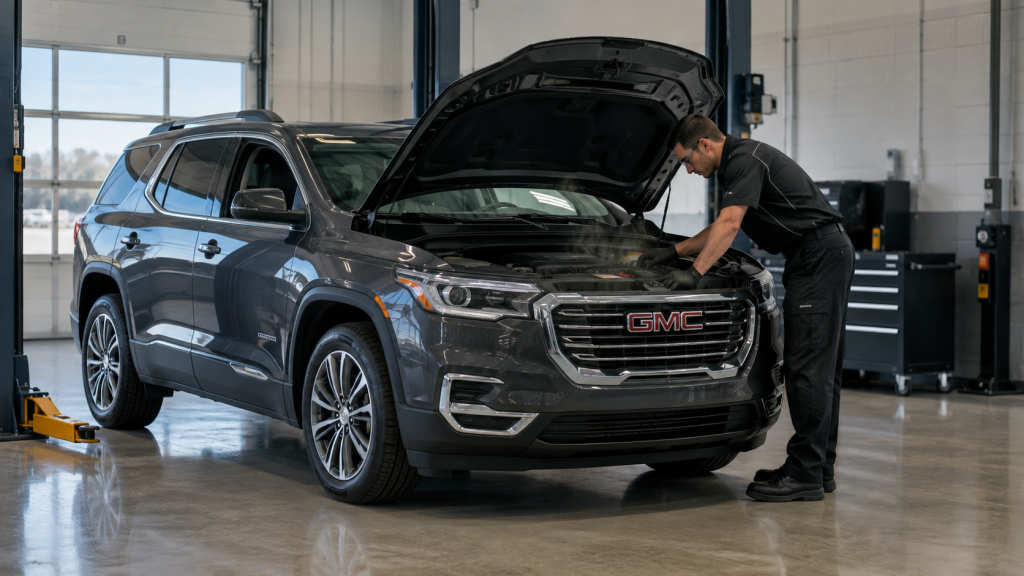
Car battery smells like rotten eggs can point to hydrogen sulfide gas escaping near the battery. That odor deserves prompt attention because a healthy battery should not release a strong sulfur smell. Hydrogen sulfide can appear when a lead acid battery overheats, leaks, or receives too much charging current. Therefore, the smell is a clue that the battery and charging circuit need inspection. You do not need to panic, but you should avoid ignoring the odor. Car Battery Smells Like Rotten Eggs Because Gas Is Escaping Why does a car battery smell like rotten eggs? Hydrogen sulfide is a sulfur bearing gas that can create this odor around a failing battery. A conventional 12 volt lead acid battery contains electrolyte and lead plates inside a sealed or vented case. Chemical reactions inside the battery store and release electrical energy. However, excessive heat or charging can disturb that process and increase gas production. Hydrogen sulfide carries a very distinct sulfur odor. Therefore, a rotten egg smell near the battery deserves attention even if the engine still starts. The battery may still provide power while internal damage develops. Additionally, visible clues can support the diagnosis. Swelling, cracks, wet residue, heavy corrosion, or unusual heat deserve a closer look. A battery case that changes shape can indicate internal pressure or heat. GMC models rely on the 12 volt battery for starting and many electrical functions. Because of that role, battery trouble can also show up through slow cranking or unstable electrical operation. Still, the odor itself should lead to inspection before the problem grows. What Does Battery Acid Smell Like? Battery acid is sulfuric acid electrolyte, while hydrogen sulfide creates the familiar rotten egg odor. The two substances are related to battery chemistry, but they are not the same thing. Sulfuric acid sits inside many lead acid batteries as part of the electrolyte mixture. It is highly corrosive and can damage skin, eyes, clothing, and nearby materials. Therefore, visible leakage should never be handled casually. Hydrogen sulfide is a gas. It can escape when the battery overheats or suffers internal trouble. Because the gas carries the sulfur smell, people may mistake that odor for liquid battery acid. That distinction matters when you inspect the area. Wet residue near the case points toward possible electrolyte leakage. By contrast, odor without visible liquid can still point toward internal battery trouble. Additionally, corrosion around battery terminals does not automatically identify the exact fault. Corrosion can form through several chemical processes around the battery. Therefore, a technician should inspect the case, terminals, cables, and charging output together. If liquid is present, avoid touching it with bare skin. In addition, keep sparks, cigarettes, and open flames away from the battery area. A damaged battery deserves careful handling and proper service. How Overcharging Can Heat a Battery Can an alternator make the battery smell like sulfur? The alternator charges the battery while the engine runs, and excessive charging can overheat it. The charging circuit regulates how much electrical energy reaches the battery. When voltage rises too high, the battery can receive more charging current than it should. Consequently, internal temperature can rise and chemical reactions can accelerate. That extra heat can increase gas production inside a lead acid battery. Therefore, replacing only the battery may miss the source when the charging circuit has a fault. A technician may inspect several areas after a sulfur odor appears: Charging voltage can show whether the alternator and regulator are sending the battery an appropriate electrical level. Battery temperature and case shape can reveal heat or pressure that deserves closer inspection. Cable and terminal state can show whether poor electrical connections are adding resistance or creating charging problems. A weak alternator can create other electrical problems, but excessive charging raises a different concern. Therefore, the testing process should include battery health and charging output. For GMC owners, this matters because a fresh battery can suffer damage if an unresolved charging fault remains. A complete inspection protects the replacement from the same cause. When the Smell May Come From Somewhere Else Does every rotten egg smell come from the battery? Sulfur odors can also come from fuel or exhaust faults, so odor location provides useful diagnostic context. A catalytic converter processes exhaust gases before they leave the tailpipe. Fuel mixture problems or converter trouble can create a sulfur odor near the exhaust path. Therefore, the strongest smell location can guide the first inspection. If the odor is strongest under the hood near the battery, battery trouble moves higher on the list. If the smell follows the exhaust stream, the technician may inspect fuel and exhaust components first. Additional symptoms also matter. A battery problem may appear with swelling, corrosion, slow cranking, or electrical trouble. By contrast, an exhaust related issue may appear with poor engine operation, warning lights, or unusual exhaust odor. Still, smell alone cannot confirm the exact source. A technician can inspect both areas when the origin is unclear. Therefore, avoid replacing parts based only on odor. A GMC owner may notice the smell after parking, starting, or driving. The timing and location both provide useful clues. Sharing those details can make the inspection more focused. What Should You Do When a Battery Smells Like Sulfur? A sulfur odor near the battery calls for prompt inspection of the battery and charging circuit. The safest next step is to limit handling and have the source checked. Do not lean directly over a swollen, hot, cracked, or leaking battery. In addition, keep ignition sources away from the area. Hydrogen sulfide and other battery gases deserve caution. Before service, note what you observed: Odor location can show whether the smell is strongest near the battery or the exhaust. Visible swelling, wet residue, or corrosion can give the technician useful inspection clues. Starting trouble, warning lights, or recent charging problems can add context to the battery test. If the battery feels hot or looks damaged, avoid unnecessary driving. Therefore, professional inspection should happen before you rely on the vehicle for another trip. The technician can test battery state, charging voltage, cable connections, and visible battery damage. If the alternator is overcharging, that fault also needs correction before a replacement battery goes into service. Car battery smells like rotten eggs should never become a background odor you simply accept. The smell can point toward battery gas release or another sulfur source. With a careful inspection, you can identify the source and handle the repair with clear information.

How to Stop Windows From Fogging During Rain on Oahu
Rain can turn a clear windshield hazy within minutes on Oahu. Learning how to stop windows from fogging starts with controlling moisture before visibility drops. Additionally, warm, damp air can meet cooler glass and form tiny water droplets. As a result, those droplets scatter light and make the road harder to see. Therefore, prevention starts before the windshield turns cloudy. A clean cabin, clear glass, and the right climate settings work together. With that in mind, drivers can prepare before rain and respond early once showers begin. Why Rain Makes Car Windows Fog Windshield fog forms when moist air meets glass that is cool enough for condensation. Moreover, the moisture can collect inside or outside the windshield. Because each side has a different cause, each side needs a different response. Interior fog starts when cabin moisture reaches cooler glass. In addition, rain adds water through shoes, clothing, umbrellas, and damp floor mats. Furthermore, passengers add moisture through normal breathing. Therefore, a closed cabin can collect enough moisture to cloud the glass quickly. By contrast, exterior fog follows a different pattern. Strong cabin cooling can chill the windshield below the temperature of humid outdoor air. As a result, water can collect on the outer surface. Knowing which side is wet tells you what to change. Therefore, learning how to stop windows from fogging becomes easier once you identify the wet surface. First, use the wipers to check the surface. If the moisture clears, the fog was outside. If it remains, focus on cabin airflow and moisture. For a deeper explanation, read Cutter GMC's guide to defogging a windshield in Hawaii humidity. Prepare the Glass and Cabin Before Rain Clean glass gives moisture fewer residues to cling to. Additionally, road film, fingerprints, smoke residue, and interior cleaners can leave a light coating. That film can make a fogged windshield look even hazier. Therefore, clean both sides of the windshield with a suitable glass cleaner. How to stop windows from fogging also starts with the cabin itself. Before rainy weather, check the areas that can hold moisture between drives. Inspect floor mats and carpet for damp areas that can release moisture back into the cabin. Remove wet umbrellas, towels, jackets, or other items instead of leaving them inside overnight. Check door seals and nearby carpet if the same area stays damp after repeated rain. Moreover, wet items can continue releasing water after the rain has ended. Because that moisture stays inside the cabin, the next drive can begin with damp air. Therefore, drying the interior supports how to stop windows from fogging before the next shower. Wipers matter too. Worn blades can leave water and streaks across the windshield during heavy rain. Therefore, replace them before poor wiping begins to block your view. Cutter GMC's service department can help inspect wiper blades, cabin filters, and other maintenance items tied to visibility. Which Climate Settings Can Keep the Windshield Clear? First, GMC windshield defogging guidance gives drivers a clear sequence for clearing the glass. Start with the front defog or defrost control. Additionally, adjust the remaining settings to move moisture out of the cabin. Turn the air conditioning on so the climate control can remove moisture from cabin air. Turn recirculation off so fresh air can replace damp air trapped inside the vehicle. Direct airflow toward the windshield before heavy fog begins blocking your view. Why turn the A/C on during rain? Air conditioning removes moisture from cabin air. Therefore, the air reaching the glass carries less water vapor. That makes interior condensation harder to sustain. Recirculation deserves equal attention. Recirculation keeps more cabin air inside the vehicle. During a wet drive, that air can contain moisture from shoes, clothing, passengers, and umbrellas. Instead, fresh air lets damp cabin air leave while outside air moves through the cabin. Additionally, GMC recommends windshield airflow and a warmer temperature after the glass clears. This keeps the glass from staying too cold. With that in mind, learning how to stop windows from fogging means setting the controls early. Do not wait until the windshield becomes heavily clouded. Prevent Exterior Fog During Warm Oahu Rain Because Oahu rain can arrive while outdoor air stays warm and humid, outside moisture may collect on chilled glass. At the same time, strong A/C can cool the windshield from inside. When that glass becomes cold enough, moisture can collect on the outside. How can you tell? Run the windshield wipers once. Exterior moisture will move or clear with the blade. By contrast, interior moisture will remain behind the glass. If the fog is outside, keep the wipers moving as needed. Additionally, raise the cabin temperature slightly. A warmer windshield reduces the temperature gap between the glass and humid outdoor air. Therefore, exterior moisture is less likely to keep returning. This distinction matters when learning how to stop windows from fogging during island rain. Turning the cabin colder may worsen outside condensation. By contrast, a modest temperature increase can warm the glass while the wipers clear surface moisture. Moreover, keep the windshield clean as well. Dirt and film can make water spread unevenly across the glass. As a result, glare from headlights and streetlights can become harder to manage during rain. Dry the Cabin After a Rainy Drive Rainy day prevention continues after you park. Wet floor mats, umbrellas, towels, and clothing can keep releasing moisture inside the cabin. Therefore, a few after-drive checks can reduce the amount of moisture waiting for the next trip. Remove soaked items from the cabin instead of letting them dry inside the vehicle. Check the front footwells and carpet for water that may have been tracked in during the drive. Look for recurring damp spots that could point to a seal issue or another source of water intrusion. A cabin that dries fully between storms gives the climate controls less moisture to remove. Therefore, learning how to stop windows from fogging also means watching for patterns after the vehicle is parked. If fog returns despite clean glass and proper settings, inspect the vehicle more closely. Additionally, a clogged cabin filter, blocked airflow, or water intrusion may deserve attention. You can schedule service with Cutter GMC if recurring moisture or weak airflow needs a closer look. Keep a Clearer View Through Oahu Rain A clear windshield starts before the first heavy shower. Clean glass, dry cabin materials, working wipers, and correct climate settings form a simple routine. Therefore, drivers can reduce condensation before it blocks the road ahead. How to stop windows from fogging comes down to moisture control and glass temperature. Use front defog, turn recirculation off, and run the A/C for interior moisture. For exterior moisture, use the wipers and warm the glass slightly. Rain can change visibility quickly across Oahu. With that in mind, treat windshield clarity as part of rainy day preparation. A few small checks before and after each wet drive can keep your view clearer when showers arrive. For more ownership guidance, explore the latest Cutter GMC blog articles.