



Car Won’t Start: Here’s What You Need to Do
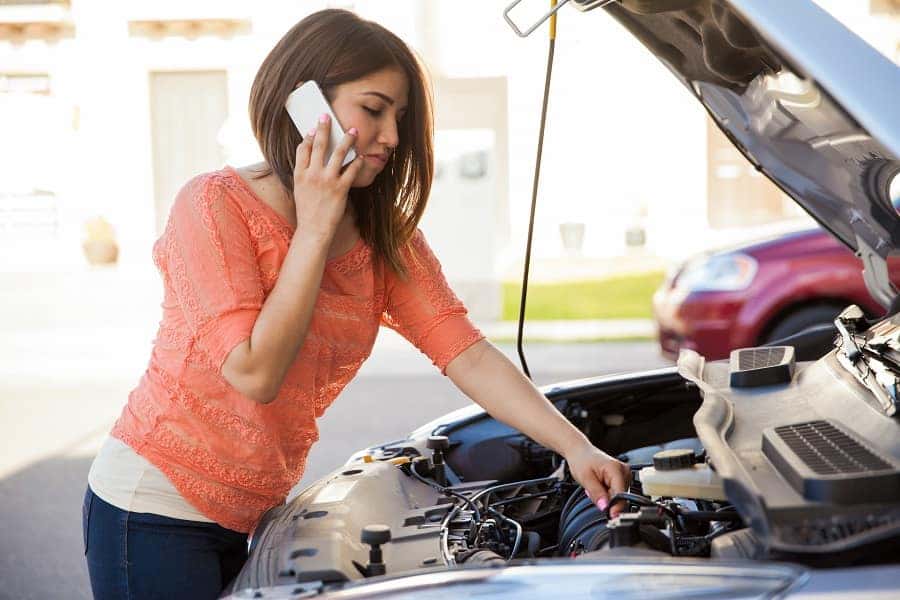
It’s a real headache when your car won’t start in the middle of the road. Car troubles could upset your plans, and unanticipated expenses can drain your bank account. If your car won’t start, the problem might be as manageable or as complex as you think.
What should you do if an unexpected situation happens? You can either fix it on your own or seek assistance.
At Cutter Buick GMC’s servicing department, you can rely on diagnosing and repairing your car’s troubles and getting it working again in no time. If you opt to perform the task yourself, you must carefully read the directions in your owner’s handbook and take all essential safety measures.
Remembering what happened when you start the engine can help suggest what’s wrong beneath the hood. Below are some of the most typical issues associated with a car breakdown and how to fix them.
No Noise Coming Out
When you crank the engine key and hear nothing, it could be a dead battery or a loose connection. Inspect the battery terminal cable connections for corrosion. Examine the connectivity at the battery terminal for corrosion. If it is rusty, thrust a screwdriver between the terminal post and the connector. Then spin it to secure it.
Turn the engine on again. If your car starts, it indicates that the cables need to be cleaned or changed. Try twisting and turning the cable connectors with your hand to see if they are in the correct shape.
When you’re able to do that, a loose connection is the culprit. Remove the connectivity connections and clean them using a rag. Reconnect the cables and tighten the clamps using a tool then try starting your car again.
In case of emergency, always have a jumper cord in your trunk. You will need the vehicle’s spare battery or a portable jump starter to recharge yours. However, if you don’t know how to use a jumper cord to start a car, see your owner’s handbook or contact your trusted technician.
Grinding Sound
When you switch on the ignition and you notice a grinding sound. It suggests that the flywheel has broken teeth. Turn the starter key multiple times to get the starter to engage the flywheel and start your vehicle. When you know the flywheel is damaged, bring your car to a professional such as Cutter Buick GMC immediately.
Clicking Sound
When your engine produces a clicking sound but won’t start, it might be due to a worn-out battery or a faulty starting connection.
You must turn on the dome light and the ignition key. If the dome light barely illuminates and then goes out, your battery has been depleted and requires a restart. In this instance, you can use a technique called key cycling to warm up the battery.
Start the engine about ten times after turning the key to the position and repeat. Wait around minutes before starting the engine again. You will know when your battery is in better condition when the light illuminates brightly and remains lit when you attempt to start the engine.
Examine the starter for any loose wire connections. Sometimes the wirings become trapped and should be opened up with the tire iron of your car jack.
Rapid Cranking
Your timing belt has most likely broken. When this happens, the pistons accelerate faster than usual because part of the valves stays open. The engine will not start unless the pistons and valves are perfectly synchronized.
So, stop cranking immediately. This problem that you cannot solve on your own. If your car is insured, contact a towing agency or auto insurance provider for roadside assistance. You must take your vehicle to your trusted mechanic to get it checked and fixed.
Avoid this happening again, and replace your timing belt before it wears and costs you more in the long run.
Faulty Ignition Cylinder
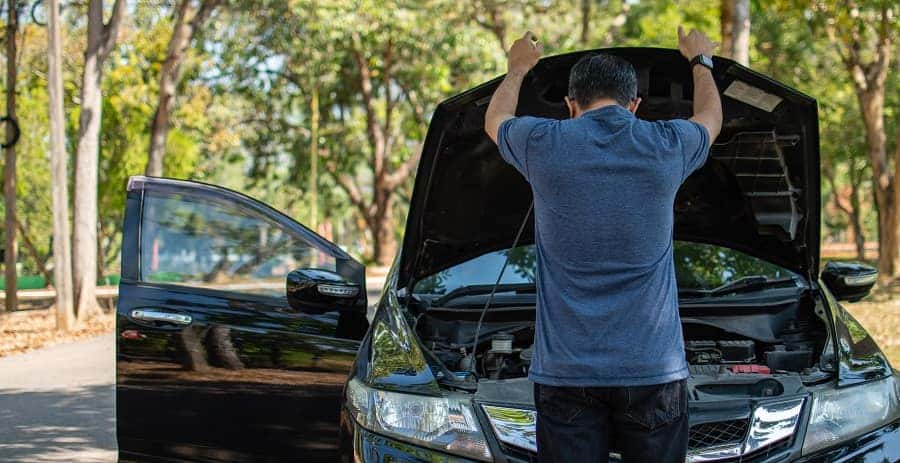
If you can’t start the key in the ignition, your car definitely won’t start. The clogged ignition cylinder or the steering system itself might be the reason. The ignition cylinder has to be removed to know if it can run by itself. If not, replace the ignition cylinder and have its keys and new cylinder programmed into the vehicle’s security system. If the ignition cylinder is not the problem, the steering column must be changed, which will surely need a new ignition cylinder. It’s a time-consuming task that requires the help of a professional, and a steering column repair or replacement can be pricey.
Broken Timing Belt
The timing belt links the crankshaft and camshaft. It synchronizes the timing of all engine cycles. The rubber belt is susceptible to wear and fails if soaked in oil. It can extend and skip a gear or two and timing belt problems can be disastrous in some engines.
So, you need to eliminate its front engine cover and check for any damages. In the case of a broken timing belt, use a borescope to examine pistons and valves to see whether they’ve been bent or affected. The timing belt must be attached correctly, and major top-end work may also be necessary.
In Conclusion
You can see above that there are possible causes for your car not starting. However, whether the issue resulted from a dead battery, ignition cylinder, or a broken timing belt, the majority of the symptoms are very similar. Some of these can even be a more serious underlying problems that only professionals can detect and perform appropriate procedures to fix it.
Car Won’t Start? Bring Your Car to Cutter Buick GMC in Waipahu, HI
So, when it comes to resolving your car’s problems, go to the specialists like Cutter Buick GMC. Our service technicians are highly trained and experienced. Plus, we use only the best parts and fluids to ensure superior results. Schedule an appointment today. We’re your best option for your car preventative maintenance in Waipahu, HI.
Change Oil Service: Why Your Car Needs It

Key Takeaways:
- Changing the oil is a vital aspect of preserving your car’s life.
- There’s a need to change the oil to clean the internal parts and improve the overall performance of your car.
- Check the oil level for at least a month to know when to change it.
- Changing the oil provides benefits for your car, such as improving engine efficiency, extending the life of your engine, reducing overheating, reducing wear and tear, and fewer emissions.
- If you live in or around Waipahu, HI, get help from a reputable oil change specialist like Cutter Buick GMC.
For a healthy and long-lasting car life, regular maintenance is essential – much like the oil that breathes energy into your vehicle. It’s an essential component of a healthy engine that keeps your vehicle running for many years. Oil changes have become a vital aspect in preserving the life of your car, so you need to go to a trusted service center that can help you in changing the oil of your ride. Our professional technicians at Cutter Buick GMC in Waipahu, HI, are here to make sure your car receives the best possible care with our oil change services. To know more, here are reasons why your car needs to change the oil.
Why Do Cars Need an Oil Change?
Changing the oil serves several purposes. Its primary function is to moisten all of the engine’s working components, but it also aids in cleaning the internal parts and keeping things cool. The old oil is removed from your car and replaced with new, clean oil. Typically, the engine oil filter also changed at that time.
There are numerous moving parts in car engines. The force of friction generates heat as these components move and rub against each other. The oil moisturizes the engine and absorbs the heat, enabling the internal components to function well without overheating. Engine oil degrades and wears out over time, so when this happens, it loses its ability to lubricate the engine and absorb heat. Your goal as a car owner is to perform maintenance, such as changing the oil in your car before it starts to break and results in engine problems.
When To Change the Oil?
When the engine oil becomes worn or old, you should change it. Pressure and heat cause the oil to degrade and can obtain unwanted particles that must be taken out of your car. Furthermore, oil degrades over time, regardless of not driving it for how many years. Luckily, you have your vehicle’s specific instructions from your owner’s manual. Bypass outdated assumptions and be mindful of the changing landscape—what worked in the past may no longer apply today.
When purchasing a car, check the manual first to determine whether it comes with a reminder concerning how it works. There are instructions that you need to know to ensure everything works, like the light that indicates an oil change.
How Frequently Should You Check the Oil Level?
You should check the oil level at least once a month and every fuel load. Even a new vehicle is not free from this maintenance, so do not forget to consult the owner’s handbook and adhere to the manufacturer’s instructions. Other newer vehicles include electronic oil monitors rather than traditional dipsticks for manual checks.
Ensure the automobile is parked on flat ground if you’re using a dipstick. Be cautious of any hot spots beneath the hood if the car has been running. Most manufacturers suggest checking the oil level while the engine is cooled, but if the engine is off, open the hood and locate the dipstick, remove the dipstick, and take away any excess oil using your clean cloth. After that, place the dipstick in its tube again and press it in.
Take it out again and check both corners of the dipstick to determine the level. Every dipstick feature has two pinholes, Low and High (letters L and H), phrases MIN and MAX, or a cross-hatched region to indicate the correct oil level. The level is acceptable if the top of the oil is between the two markers or inside the crosshatched part.
Take note of the color of the old oil, it should be brown or black. But, if it has a light, whitish look, it might indicate that coolant is seeping into the engine. Check for any metal fragments since this might indicate internal engine damage. If you see one of these situations, take your vehicle to a reputable technician for additional evaluation, or you can get help from Cutter Buick GMC in Waipahu, HI.

Benefits of Change Oil Service
Regular oil changes protect your car from damage and also provide several benefits.
Improved Engine Efficiency
Oil changes at regular intervals improve the overall performance of the engine. The new oil lubricates and lowers friction among metal surfaces. Also, no debris or dust is deposited in the oil, allowing for efficient engine functioning.
Extend The Life of The Engine
Vehicle engine oil acts as a protective barrier against engine friction. The old thickens, obstructing its flow and damaging engine components. Frequent oil changes decrease the possibility of damaged engine parts by appropriately lubricating them. Opting for regular oil changes is vital to ensure your engine runs efficiently, effectively lengthening its lifespan. Don’t miss out on the benefits of this simple yet crucial maintenance step!
Reduce Overheating
Mechanical properties move faster, generating a lot of heat and friction. New oil helps maintain the engine and other car elements correctly, decreasing strain and overheating.
Reduce Wear and Tear
One of the benefits of a change in oil service is to protect other motor parts from harm. The new oil produces less friction, which secures all of the plastic parts under the hood. In addition, decreased friction allows other related components to perform more smoothly and extends their life.
Less Emission
Sludge is from the breakdown of old motor oil with other dangerous substances. However, circulating new oil in the engine produces less hazardous fumes to the environment.
In Conclusion
Changing the oil on a car is not difficult, but it does take some time. It is critical to replace your car’s oil to maintain its performance since new oil decreases friction between engine components and protects against overheating. So, if you need high-quality services for your vehicle, bring them here at Cutter Buick GMC in or around Waipahu, HI, we are more than willing to help you when it comes to changing the oil of your car. We can also help you to choose the right oil for your vehicle! You can contact us at 808-491-6263 or visit us at 94-149 Farrington Hwy, Waipahu, HI 96797.

We all know that feeling. You’re driving down the motorway, and you see a classic car. It could be a ’57 Chevy, a Mustang from the ’60s, or even an old Rolls-Royce. Whatever it is, you can’t help but admire it. Maybe you even stop to take a picture. And then you start thinking – what would it be like to own one of those? As it turns out, owning a classic car can be pretty awesome.
There have been many talks lately about classic cars modifications that can be made to them to enhance their value. But is it really better to keep things as they are or go ahead and update your ride? Let’s take a look with experts from Cutter Buick GMC at some common reasons for each side to see where most people seem to stand.
Modifying a Classic Car – Why People Think It’s a Bad Idea
The most common argument against modifying a classic car is that it will decrease the value. After all, these automobiles are meant to be kept in their original condition, and any changes made to them could potentially lower the resale value.
There are a handful of factors why people might think this. First of all, many people believe that classic cars should be preserved as they are – historical artifacts if you will. Any changes made to them would be like changing a piece of history, which is something many people are not comfortable with.
Secondly, some people worry that modifications will make the car less reliable. After all, these cars were built when manufacturing standards were not as high as they are now, and adding new parts could potentially introduce new problems.
Modifying a Classic Car – It’s a Good Idea for Some Folks
However, there are also several reasons people believe that modifications can actually increase the value of a classic car. First of all, some argue that modifications can make the car more reliable. For example, suppose you replace an engine from the 60s with a more modern one. In that case, it’s likely to be more reliable and requires less maintenance.
Secondly, modifications can make the car more stylish and unique. If you add custom features to your car, it’s likely to stand out from the crowd and be more eye-catching than a standard classic car. This could make it more desirable to potential buyers and, as such, increase its value.
The Verdict
So, what’s the verdict? It looks like the classic car’s modifications can be a great way to enhance their value, depending on what’s done. Of course, there are always folks who feel strongly about keeping things as they are, but for the most part, it seems people are in favor of making small changes where necessary.
That being said, if you’re looking to make some updates to your car, Cutter Buick GMC has got you covered. Our mod experts serving in Waipahu, HI, have one of the widest selections of parts and accessories around to get your ride just the way you want it.
Check out our inventory today and see how we can help you take your classic car to the next level!
Key Takeaways:
- Maintaining your vehicle & keeping it in good condition will prevent expensive repairs down the road.
- Most dealerships require you to have up-to-date car service records before considering your vehicle for trade-in or resale.
- Too many speeding tickets or other violations will reduce your car’s value.
- Practicing safe driving habits may have an impact on your car’s value as well as your safety in the long run.
When you buy a brand-new car, you don’t think about keeping it looking and running like new. However, if you want to retain the value of your car for as long as possible, you need to take care of it from day one. In this driver knowledge session, we will review some tips on taking care of your car & keeping it in good condition.
Read: 15 Tips for Maintaining Your Car’s Value
Do Not Neglect Routine Car Service
It’s convenient to skip an oil change or tire rotation here & there, but this can cost you more in the long run. Regular service & maintenance helps to keep your car running smoothly and prevents bigger, more expensive problems down the road. Plus, most dealerships require you to have up-to-date car service records before considering your vehicle for trade-in or resale.
Routine maintenance includes basic procedures like oil changes every 3,000 miles (or as per your owner’s manual), checking the tires checked for pressure and baldness, having the brakes and spark plugs checked, etc.
Do Not Put Off Repairs
Putting off needed repairs will only cost you more money in the long run but driving a car that needs repairs can also be dangerous. If something breaks, get it fixed as soon as possible. You should replace the wiper blades every year or so to ensure clear driving visibility.
Watch the Mileage
You may love driving your car, but every mile driven is another mile closer to the end of its usable life. Cars with high mileage are often worth less than those with low mileage. Limit your mileage; instead, carpool or use public transportation when possible. You’ll also save some bucks on gas if you try to keep your car’s mileage as low as possible to maintain its value.
Drive Carefully
Of course, you should always practice safe driving habits, but it’s especially important if you’re trying to preserve your car’s value. Accidents, even minor fender benders, can cause significant damage and lower your automobile’s price. Likewise, too many speeding tickets or other violations will also make your car less attractive to potential buyers.
Keep It Clean
A well-maintained car is a happy car – and a clean car is often worth more than a dirty one. Take some time on the weekends to give your car a good wash inside and out. This will help keep your car looking its best & prevent damage that can occur when dirt and grime build-up. Spend a little bit of money on polishing the paint, deep cleaning the interior, and ensuring all the features are in good working order.
Fight Rust
If you live in an area with a lot of snow and salt on the roads, your car is at a higher risk for rust. Rust looks bad and weakens your vehicle’s structure, making it prone to accidents. To prevent rust, wash your car regularly (at least every week or two) and get underneath it to remove any salt buildup. You can also buy a rust-resistant paint treatment to help keep rust at bay.
Don’t Modify Your Car
Modifying your car to suit your unique taste might be tempting, but it’s best to avoid making any major changes. These modifications can reduce your car’s value, as they may not be to the taste of future buyers. If you must make changes to your vehicle, keep all the original parts so you can easily revert to the factory settings.
Use Floor Mats
Another easy way to keep your car’s interior looking like new is to use floor mats. Floor mats protect your car’s carpets from dirt, stains, and wear and can be easily removed and replaced when they get too dirty. Be sure to choose mats designed for your car model to ensure the best fit.
Be Realistic
When it comes time to sell or trade it in, you need to be realistic about your car’s value. Just because you’ve taken good care of it and made some modifications doesn’t mean it’s worth more than it is. Do your research and know what similar cars are selling for before you list yours.
Do Not Eat, Drink or Smoke in Your Car
Eating, drinking, and smoking in your car not only make it dirty but can also cause permanent damage. Spills and stains can ruin upholstery and carpets, while burns can destroy seats and other surfaces. If you must eat or drink in your car, use a spill-proof container and never light a cigarette while driving.
Planning to sell your car soon? Here’s How To Prepare To Trade In Your Car To Make The Most Bucks.
Conclusion
By following these simple tips, you will easily retain your car’s value and get the most out of your investment when you decide to sell. Contact your local mechanic for more tips on maintaining your vehicle.
If you’re a resident of Waipahu, HI, there’s no need to go through the hassle of finding a mechanic!
Cutter Buick GMC serving Waipahu, HI, is your one-stop-shop for all things automotive! Our dealership is staffed by experts who are factory-trained and certified. They know the intricate ins & outs of most Buick and GMC models, so they can provide you with quality car service to keep it looking its best and performing like you just drove it out of the showroom.
When you visit our car service center, you’ll have the best possible experience. We offer you a complimentary shuttle service, loaner vehicles, and more. Our team of professional mechanics can help you get back on the road in no time!
Eight Tips for Purchasing Used SUVs for Sale
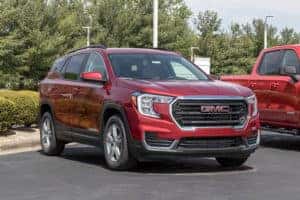
It is not inaccurate to say that Americans adore sport-utility vehicles, or SUVs, which is why SUV sales have been increasing across the country. SUVs are an excellent alternative for people looking for an all-wheel-drive vehicle that allows them to cruise off-road and make the most of their ride.
However, not everyone can own an SUV. The good thing is that you may now buy a slightly used SUV at a far lesser price than a brand-new one. So, what should you be aware of when buying an SUV? At Cutter Buick GMC, we have gathered eight guidelines for purchasing SUVs for sale that may help you decide what vehicle to purchase.
Do Your Research
A well-tuned vehicle may easily survive up to 200,000 miles, so don’t be afraid of a high-mileage car if all else is in line. Mileage that is significantly less or more than the national median of 14,000 annually, on the contrary, is a red flag. Low mileage might imply a seldom-driven station car.
Dull paint can be brushed out if you aren’t interested in a painting service. However, a peeling coat needs to be sanded away, which will also add to the costs.
Read the Technical Assessment
It is impossible to stress the value of having an automobile checked and receiving a reliable inspection from a third party. Before committing to an agreement, prepare for the vehicle to be checked by a respected local technician or skilled car specialist. If the seller declines, or worse, arranges for the vehicle to the dealer’s shop, the transaction is off.
Although a mechanical flaw isn’t usually a big deal, it should be considered when pricing. Look at enthusiast forums if you don’t know anybody in your community. Someone in the neighborhood may be ready to spend a day evaluating your vehicle or, at the absolute least, advise a good repair shop.
Fuel Efficiency
If you go from a standard car to an SUV, your fuel costs will almost surely rise. Car makers often include fuel-saving technologies in new SUVs. The more load and rims a vehicle has, the more fuel it requires to propel it. When you drive rapidly or the car is filled with people and baggage, the engine kicks in more quickly, burning more gasoline.
Difference in Handling
An SUV has a greater gravity point than a car, and the added weight will cause you to notice a distinction in control. The weight distribution of a sport-utility vehicle is bigger than that of a car. Expect more “rolling resistance,” or the vehicle tilting in the reverse direction of a move or lane shift.
Consider the Cargo Space
The load capacity of the used SUV you purchase also influences the pricing. Consider how wide the opening is, how far the trunk lid opens, how higher you must lift products over the front, how easy it is to lay down the rear seats if they recline flat, and if the wheels or other parts encroach into the baggage area. It won’t work if you can’t fit your stroller, golf clubs, or other essential items into the vehicle, so carry some personal items with you on the road test.
Off-Road Features
Although AWD and 4WD are frequently used similarly, they are not the same. It’s vital to grasp the difference, and the sort of 4WD you’re thinking about buying. Two-wheel-drive (2WD) is usually the initial option on a basic system, next by 4-High and 4-Low. Those last two are only suitable for off-road or slippery roads because they may be ruined if driven on firm terrain like regular roads. You may only run in 4WD on concrete if your vehicle has a 4-Auto feature. On numerous SUVs, the 4-Auto is only present on pricier model versions.
It is crucial to remember that 4WD SUVs are more expensive and use more petroleum than AWD SUVs with the same features. Many drivers underestimate their needs. Unless your residence or campsite is off the major road and requires a mud-bogging or rock-crawling vehicle to get there, AWD should be enough. Be truthful when it comes to your needs.
Extra Money for a Larger Car
The extra room you seek comes with a hefty price tag and additional expenditures. For example, an SUV’s wheels are typically larger than those of a sedan. The tires may get considerably bigger as you climb the trim ladder, and they’ll be much more expensive to repair when they wear out.
On bigger wheels, reduced tires with a narrower sidewall are often used. These can result in a harsher, bumpier ride and a greater chance of costly rim damage if you hit a pothole. Consider these extra costs in mind while shopping for an SUV.
Get Pre-approved
This is the crucial issue that every prospective buyer must ask themselves before surfing the net, to a dealer, or even to a bidding lot. Before you start looking for an SUV, it is good to receive pre-approval for a vehicle loan. Furthermore, you would want to know how much cash you have before becoming charmed with an SUV on the market. Another factor why getting pre-approval for a vehicle loan is critical is that it might uncover problems within your credit record that can be addressed or improved.
SUVs for Sale at Cutter Buick GMC in Waipahu, HI
When you decide to acquire a used SUV, you should be aware of the many kinds and specifications available. Cutter Buick GMC in Waipahu, HI, is the perfect location to learn more about SUVs and uncover some amazing and affordable used selections that will meet your budget. The recommendations for purchasing used SUVs for sale will guarantee that you acquire the automobile of your dreams without breaking the budget.
Visit us at Cutter Buick GMC today! We’re conveniently located at 94-149 Farrington Hwy, Waipahu, HI 96797. Our Buick and GMC dealership is about 30 minutes from Honolulu and Pearl City, making us a great vehicle provider. We’re open Monday to Saturday, 9 am to 8 pm, and Sunday, 9 am to 6 pm. We’re also the go-to source for auto services. Come see us today! We can’t wait to see you.

If you’re like most people, when you hear the words “electrical short circuit,” you automatically think of a scary scene from a movie in which sparks are flying. And flames are licking at the edges of a car’s undercarriage.
In reality, though, electrical shorts are nothing to be scared of – and they’re definitely not something that only happens in movies. In fact, according to Cutter Buick GMC, if you know what to look for and what to do if you experience one, an electrical short circuit can be a relatively minor inconvenience. So, what’s the reality behind electrical shorts? Keep reading to find out.
Car Electrical Circuits: What Are They?
Before we can talk about what to do if you experience an electrical short circuit, it’s vital that we first look at what car electrical circuits actually are. In short, car electrical circuits are the pathways that allow electricity to flow through your car.
There are three main types of circuits in a car: the battery, the starter, and the alternator. Each of these circuits plays an essential role in your car’s electrical system. If one experiences a short, it can cause some significant problems.
Different Types of Car Short Circuits
Well, your car can go through several types of short circuits. Generally, Car electrical shorts can be either internal or external.
Internal shorts occur when there’s a problem with the wiring or components inside the car. This is the most common type of short, and it can often be challenging to diagnose. On the other hand, external shorts are caused by problems with the car’s electrical system outside of the car. These shorts are easier to diagnose and can often be fixed with a simple repair.
Battery & Electrical Shorts: A Deadly Combo
The battery is the first stop for electricity in your car. It supplies power to all of the other electrical systems in the car, including the engine, ignition, and lights. The battery is also responsible for starting the car.
If the battery isn’t working correctly, it can cause an electrical short circuit – a severe one. This can happen when the battery is too weak to start the car or a problem with the charging system.
In Case of Car Short Circuits, What Should I Do?
If you have a short circuit in your car, the best thing to do is pull over to the side of the street and turn off the engine. This will help prevent the short circuit from spreading and causing damage to other car parts.
If you’re not able to pull over, try turning off as many electrical systems as possible. This includes the headlights, radio, and air conditioning. If the short circuit is severe, you may need to get out of the car and move away from it. Also, please don’t try to solve the problem by yourself. Just call your nearest service station and get some professional help from them.
Ending Note
So, there you have it. The next time your car breaks down, and you start to panic, just remember the electrical short circuit in your car is probably nothing to worry about – unless it’s a very severe one.
At Cutter Buick GMC serving Waipahu, HI, we want to help our customers in every way possible, so if you’re experiencing any electrical issues with your vehicle, please don’t hesitate to schedule a service appointment.
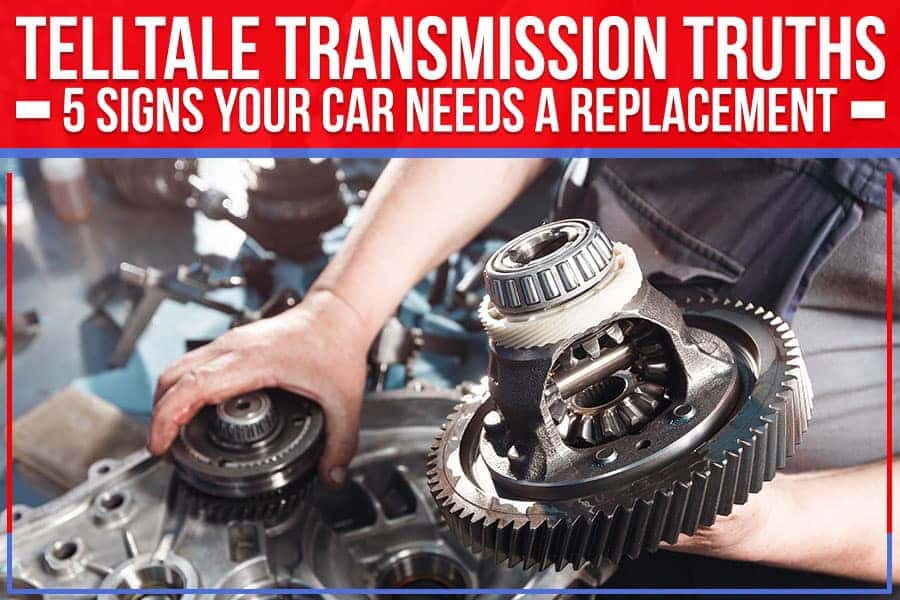
It’s never a relaxing drive when your car transmission is acting up. Fortunately, there are hints that you can look out for to indicate that a replacement is needed.
Here at Cutter Buick GMC, we want to help drivers stay safe on the road and avoid costly transmission repairs. That’s why we’ve organized this list of 5 telltale truths about car transmissions.
Keep an eye out for these signs, and if you have any questions, be sure to contact us today!
No. 1: Strange Noises
Daily drives can become more stressful when your car starts making strange noises. If you hear grinding, whining, or humming when the engine is running, it’s likely that there’s something wrong with the transmission.
These sounds can be an early hazard sign of impending failure, so don’t wait to address the problem. Bring your car to a professional for a diagnostic as soon as possible.
No. 2: Difficulty Shifting Gears
This process is one of the most basic functions of a car. If you’re experiencing difficulty shifting gears, it’s a cause for concern. Sluggishness or stiffness when trying to change gears could signify that the transmission is on its way out.
Again, don’t wait to take your car in for service if you’re experiencing this problem. Early diagnosis and repair can save you a lot of money and hassle in the long run.
No. 3: Jerky Movements
Nothing screams “transmission trouble” quite like jerky movements when you’re driving. A slipping transmission usually causes this symptom, and it can be hazardous to continue driving with this issue.
If your car starts exhibiting jerky movements, pull over safely and call for help. Continuing to drive with a failing transmission could lead to accidents or worse.
No. 4: Delay in Acceleration
You’ll probably notice this sign right away. If your car is taking longer than usual to accelerate, it could be a sign that the transmission is on its way out.
Other issues with the car can also cause this symptom. Still, if you’re experiencing it along with any of the other signs on this list, it’s time to get your transmission checked out.
No. 5: Excessive Heat or Vibration
Last but not least, excessive heat or vibration can be sure indicators that your transmission is failing.
If you’re feeling a lot of heat coming from the engine, or if the car is shaking more than usual, it’s time to take it in for a checkup. Again, these symptoms could also indicate problems with other car parts. Still, they’re worth investigating if you’re experiencing them, along with any other signs on this list.
The Gist
Any of the above signs are a cause for concern and could point to a failing transmission. If you’re experiencing any of them, it’s time to take your car in for a checkup.
Cutter Buick GMC serves Waipahu, HI, to help with all your car repair needs. Our team of experienced mechanics is dedicated to keeping your car running like new.
Schedule an appointment today, and let us take care of your car for you.

Key Takeaways:
- Ask yourself some questions before you buy a new car.
- Answer the following five (5) questions below before making a decision.
- Look for a reliable and trusted dealership to receive the best car for you and your family.
Buying a new vehicle is one of the most significant investments an individual can make in their life, and aside from the financial expenditure, there’s pressure in choosing the right car. It can be an exciting experience, but you need to ask yourself the right questions before you will purchase. Your car choice should reflect your demands and lifestyle, such as the size of your family or if it fits your needs, and carefully analyze your choices. Knowing the answers to these questions will help you make a decision and ensure that you get a car that is right for you.
In this article, we will look at the top 5 questions to ask yourself before buying a new car so that you can make an informed decision and get the best deal possible.
Is This the Best Time for Me to Buy a New Car?
A good starting point is determining whether now is the perfect time to buy a new car or may not. Making a significant purchase, such as a new car, is thrilling, but don’t be so focused on it when it might not be the best time for you. You should evaluate your finances, lifestyle, credit ratings, and buying price, and consider the season as well; depending on the model of the car, it may be preferable to buy it in the summertime rather than during winter.
What Car Model/Type Will Be Best for Me?
After determining the best time to buy a vehicle, consider what kind of new car you want. It is a challenging but exciting task because you can choose yours from different automakers, models, and providers. You should research and ask friends and family about their encounters or experiences with specific makers and models.
You should also evaluate your lifestyle, the size of your family, and whether you want a sports car or a larger one to haul items. These are essential factors to consider when purchasing the appropriate vehicle for you. You should also consider that model if it will fit in your parking space since it would be inconvenient if a new car does not fit in your garage.
You can visit Cutter Buick GMC in Waipahu, HI, to purchase a vehicle that fits your needs. Our dealership offers a wide range of car options at a price you can afford.
What Is Best for Me, a New Car or Used One?
If you want to drive it for 5 to 7 years or more, a new car is the best choice as it will most likely last without complications. A new car is typically more exciting to buy than a used one. You may personalize it by selecting aesthetic, technological, and safety features, which can result in a long-term advantage and save money. They are less likely to have mechanical flaws, and if they do, they are insured under warranty and repaired as soon as possible at no expense to you.
On the other hand, used cars are much more prone to mechanical faults, so you must consult an expert technician before purchasing one. So, the best option is to buy a new car to enjoy long-term use. At Cutter Buick GMC, we offer certified pre-owned cars that are thoroughly inspected by our expert team of specialists.

If I Buy This, How Much Will the Maintenance Cost Be?
Many new cars include free maintenance, such as changing the oil and tire rotations, but some are not, and you must add it to your expense to maintain your new car in good condition. The following steps are the things that you need to take before buying your new vehicle.
First, you must find out if the dealership offers complimentary maintenance. Are oil changes and tire rotations included? Is there any limitation on the times you can bring your car in? How long does the coverage last? After that, get the suggested routine maintenance which is available in the owner’s handbook and the maker’s website. New cars require maintenance less often, but these activities must be scheduled.
You should also find out whether you must get your vehicle serviced in the dealership or visit any service center for your brand. Also, you have to avoid bundle offers, if complimentary maintenance is not covered, some dealers will attempt to sell you a basic maintenance package for a one-time price. So, calculate the service intervals according to the car’s owner’s handbook or visit a trusted dealership.
Can I Trust This Dealership?
When buying a car, you should go to a trusted and reliable dealership to prevent you from spending your money on nothing. A trusted car dealership will have a wide range of brands and models in their showroom, all in excellent condition. They aim to serve as many different sorts of buyers as possible and carry a wide range of vehicles, from sedans to SUVs and sports cars.
You can visit Cutter Buick GMC in Waipahu, HI, if you live here or in any neighboring area. They are a trustworthy shop that offers the best car for you and your family. We have a range of new vehicles available for you, and we will be grateful to see you at our shop.
Now, after answering all these questions to yourself, it will be easier for you to pick your perfect new car. Note that the selection procedure can be time-consuming and exciting, but do not rush to purchase because it’s better to know all the benefits and drawbacks before signing the contract for the advantage of both parties.
In Conclusion
Purchasing a car, especially if it comes unexpectedly or sooner than intended, can be stressful. Why not relieve some of that stress by answering the questions listed above? You don’t have to be a professional to make decisions but be knowledgeable enough to have peace of mind before entering the transaction.
Our team at Cutter Buick GMC in Waipahu, HI, only gives what’s best for you. We are more willing to help and give you the perfect car that fits your needs. We are happy to serve you! Visit us today at 94-149 Farrington Hwy, Waipahu, HI 96797, or you may call us at 808-465-2189. Our customer service staff will reach out in no time.

When it comes to choosing a 10-inch car LCD, there are a lot of factors to consider. What type of vehicle do you have? What features are important to you? Cutter Buick GMC will help you answer those questions and more! We will review the best 10-inch car LCDs on the market to help you determine which is right for you. Keep reading to learn more!
Features to Look for in a Car LCD
Think about what features you would like in your car LCD. Some models come with built-in navigation systems, while others have touch screens that allow you to control all the device’s functions. Jot down the features that are most important for you before you make any decision.
The Best 10-Inch Car LCDs
Now let’s look at the best 10-inch car LCDs on the market today.
1. Pioneer AVH-P8400BH
This car LCD from Pioneer comes with many features, including a built-in DVD player, Bluetooth connectivity, and an iPod interface. It also has a six-inch touchscreen display that makes it easy to control all of the device’s functions.
2. Jensen VX7020
The Jensen VX7020 is another excellent option for those looking for a car LCD with a built-in DVD player. It also has Bluetooth connectivity and FM transmitter capabilities, making it easy to play your music and videos on the go.
3. Boss Audio BV9986BI
This car LCD from Boss Audio has a built-in navigation system, making it the perfect option for those who want to get around town without relying on their smartphone. It also has a Bluetooth interface and an iPod dock, allowing you to easily play your music and videos.
4. Jensen VM9212N
This car LCD from Jensen comes with a built-in DVD player, a USB port, and an SD card slot, making it easy to play back your favorite movies and music. It also has a tilt/swivel screen that makes it easy to see the display no matter where you are sitting in your car.
5. JVC KW-V220BT
This car LCD from JVC comes with Bluetooth and NFC connectivity, making it easy to pair with your smartphone or another Bluetooth-enabled device. It also has a built-in DVD player and a tilting screen for easy viewing.
6. Pioneer AVH-X4800BS
This car LCD from Pioneer comes with both Apple CarPlay and Android Auto support, allowing you to use your favorite smartphone apps while you are driving. It also has a built-in DVD player and an HD Radio receiver.
7. Boss Audio BV9976B
This car LCD from Boss Audio comes with a built-in DVD player, a USB port, and an SD card slot to playback your favorite movies and music. It also features Bluetooth connectivity for hands-free calling and audio streaming.
Ending Note
So, what are you waiting for? Upgrade your ride with one of these hot LCDs, or choose a car that comes pre-installed with a fantastic LCD from our express store at Cutter Buick GMC serving Waipahu, HI.
The Buick Buyer: Leasing Vs. Financing Your Car

Key Takeaways:
- Car leasing is more expensive in the long run than buying a car outright with cash or a loan.
- Leasing is an excellent option if you need a new car every few years but don’t have the cash to buy one outright.
- Car financing is a good option when you want to build your equity in the vehicle while paying monthly installments.
- Many online leases vs. loan calculators can help you compare the total cost of each option when you input relevant information.
Making the decision to lease or finance your car can be significant. You need to consider your budget, what you need and want, and what will work best for you in the long term. Many details go into both options, and it can be confusing to figure them out. But don’t worry, we’re here to help! Learn more about leasing and car financing by exploring the key differences between each!
Leasing or Car financing: The Key Differences
1. Ownership Status
Leasing a car means paying to use it for a specific period. Once the lease term ends, you have to either return the vehicle or purchase it outright.
You own the vehicle outright with financing, so you can do whatever customization or modifications you want without getting approval.
2. Down Payments
A lease typically requires the first month’s payment, a refundable security deposit, a down payment, taxes, registration fees, and possibly other expenses.
With finance, you’ll also have to make a down payment. The size of your down payment will depend on the purchase price of the car, as well as your credit score and other factors.
3. Monthly Payments
With leasing, your monthly payments will be lower because you only pay for the vehicle’s depreciation plus interest charges, taxes, and fees.
With car financing, your monthly payments will be higher because you’re paying off the entire purchase price of the car plus interest charges, taxes, and fees.
4. Mileage Restrictions
Most leases have mileage restrictions, usually between 12,000 and 15,000 miles per year. You’ll need to pay for extra miles if you cross the limit.
With car financing, there are no mileage restrictions. It depends on you how much you want to drive your car.
5. End Of Term Options
At the end of your lease term, you will have three options:
- buy the car outright
- return the car and walk away
- lease or finance another vehicle
Read: Should you buy out your leased car?
When your car financing period ends, you own the car right away! Now you have the option to:
- sell the car
- keep the car
- trade in your car
6. Early Termination
If you need to get out of your lease early, you will likely have to pay a hefty fee.
You can sell or trade the car anytime if you have a loan.
7. Depreciation Cost
The car’s future value does not affect you, but you do not gain any equity in it.
With this finance option, the car will lose some value over time, but the equity (the difference between what you owe & the car’s resale value) is yours to use as you please.
8. Maintenance And Repairs
With a lease, you are only responsible for routine maintenance, such as oil changes and tire rotations. If there’s significant damage to the car, you are only responsible for the deductible on your lease contract.
With a loan, you are responsible for all maintenance and repairs on the car. This can be expensive if you have to replace major engine parts.
What Is Gap Insurance?
If you get into an accident and the car is totaled, your insurance will only pay for the car’s market value. You are responsible for the difference if you owe more than the car is worth. Gap insurance covers this difference and is recommended if you lease or finance a new car.
Lease Vs. Loan Calculator
Many online leases vs. loan calculators can help you compare the total cost of each option. Be sure to input all the relevant information, such as the price of the car, the length of the lease or loan, your down payment, interest rate, and annual mileage.
What Role Does Your Credit Score Play When Leasing or Financing a Car?
Your credit score significantly influences your ability to lease or finance a car. A good credit score will give you access to the best interest rates and terms, while a bad credit score can make getting approved for a loan challenging.
If you get approved for car financing, you’ll likely end up paying much more in interest than someone with good credit. Most lenders view borrowers with bad credit as higher risk, which means they’re more likely to default on their loans. So, they need to offset the risk with high interest!
The Bottom Line
Leasing a car has its advantages and disadvantages. It’s crucial to understand all the factors involved before making a decision. Use a lease vs. loan calculator to compare the total cost of each option and make your choice according to your individual needs and budget!
Leasing might be the best option if you want lower monthly payments, don’t mind driving a car for a few years and turning it in when the lease expires. Financing is typically the better choice if you keep your vehicle for a long time, you’re comfortable with higher monthly payments, and you don’t want the hassle of turning in your car at the end of the lease term.
Cutter Buick GMC serving Waipahu, HI, is your go-to dealership for everything you need to know about car financing. We understand that budget and credit are essential considerations when looking to lease or finance a car. We’ll work with you to get the best deal possible, tailoring a financing option from our options to suit your individual needs.
Connect with us
