



Car Coolant And Antifreeze – Same Thing Or Separate?
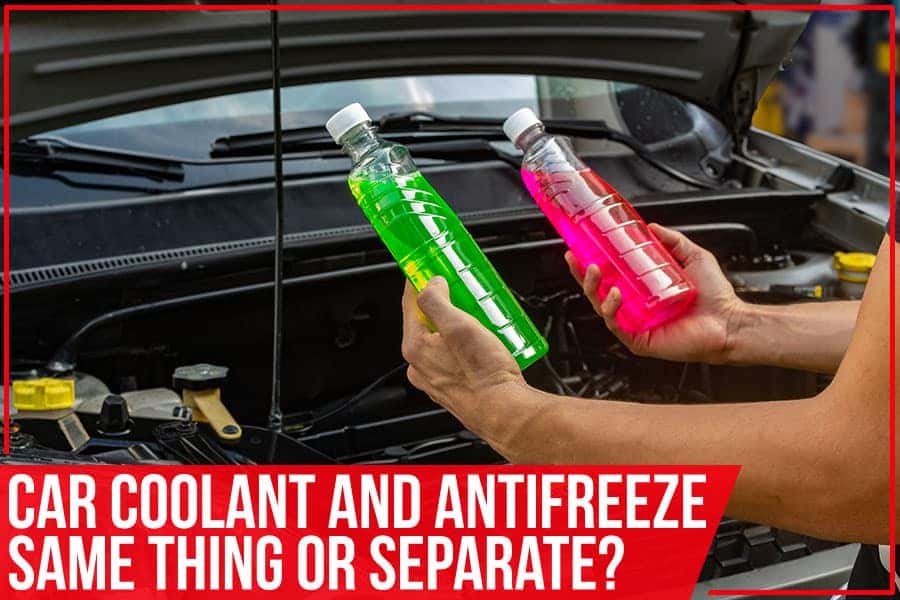
Key Takeaways:
•Antifreeze is a chemical additive that stops radiator fluids from freezing.
•Glycol antifreeze is the most common coolant additive in the market.
•Dilution of antifreeze by climate-specific ratios creates car coolant.
•A coolant absorbs heat from the engine & dissipates it to the environment.
• Absence of coolant results in engine overheating & damage.
• The liquids are toxic and should not be handled or blended by amateurs.
Engine coolants are fluids that facilitate the dissipation of extreme heat generated within the engine block. It seems like quite a mouthful, but you must have come across terms like motor oil, radiator fluids & glycol antifreeze. While we’re not discussing all the car cooling fluids, we will focus on coolant & antifreeze and what makes them tick.
Gone are the days when the local mechanics & family elders used to pour tap or mineral water into the radiator reservoir because, as it turns out, these liquids are corrosive. They eat through the radiator lines, damage the engine gaskets, and let the fluid seep into the engine chamber. That’s why we now have special fluids to keep the car engine cool when running.
What Is an Antifreeze Coolant?
You can call it glycol antifreeze or an ethylene glycol coolant for all we care since the fluids are the same for most folks, and that notion is not wrong. But if you want to delve into the details, then one fluid is the subset of the other.
Antifreeze is a specialized mix of chemicals that arrest metal corrosion, reduce fluid friction, enhance heat absorbing & dissipating properties, and reduce viscosity when diluted into a car coolant. Another effective property is the reduction of freezing points & an increase in boiling points. That allows the radiator fluids to function across a range of harsh climates without the engine overheating, the coolant freezing, or turning to steam.
It is prepared with ethylene or propylene glycol base, and other chemicals are added to produce concentrated blends. You would have to have sufficient training & understanding of coolant ratios to dilute antifreeze for a Buick/GMC.
These blends can come in concentrates or prediluted coolants. They are designed for various climates, mileages, engine types & powertrains, but they all regulate optimal operating engine temperatures. And that is their primary purpose.
How Do These Radiator Fluids Work?
Regardless of whether it is a propylene or ethylene glycol coolant, the radiator fluid’s main job is to act as an engine coolant. The liquid is stored in the radiator reservoir, and from there, it is pumped through the engine block via several cross-sectional channels.
There, the coolant absorbs the heat generated by the internal combustion and gets pumped back to the radiator fins & fan to cool off. The cycle repeats for the duration of the engine’s operation.
Different Types of Antifreeze Blends
As of now, there exist three categories of glycol antifreeze.
- Inorganic Acid Tech
- Organic Acid Tech
- Hybrid Acid Tech
And, no, these are not corrosive acids. They are designed to resist corroding the interior of a car’s cooling system.
Compositions
· Inorganic Acid (IAT)
It is a blend of silicates & phosphates to protect internal metal surfaces that come in contact with aqueous coolant. They are effective for older cars with metal-based radiator systems. They also last up to 30,000 miles before needing a radiator flush. It is known for its bright green color.
· Organic Acid Tech (OAT)
This blend of glycol antifreeze does not have silicates or phosphates. And it is best used in cooling systems with aluminum or nylon components as it offers protection for these materials. So, the metal protection factor does not count. Plus, these coolants can last up to 150,000 miles. It comes in either orange or green hues.
· Hybrid Organic Acid Tech (HOAT)
It is an antifreeze blend that combines both positive of IAT & OAT to give a car coolant that offers metal surface protection & with a life of 150,000 miles. The fluid is usually yellow or orange.
Precautions
All antifreeze & coolant fluids vary in degrees of toxicity. These fluids must be handled carefully, and skin contact should be washed off immediately. If you are flushing coolant at home, dispose of it properly so it does not contaminate the environment.
Lastly, please do not attempt to mix up dilution ratios of coolant unless you are trained for it.
What Happens Due to Insufficient Coolant?
Internal combustion engines can reach temperatures up to 2800 – 4500 degrees Fahrenheit. And a coolant helps keep that number at a steady 265-475 degrees at the SURFACE of the engine block.
With insufficient glycol antifreeze or car coolant, the engine overheats. The battery & compressor begin to buckle under the strain. Plastic & rubber belts & hoses follow. Aluminum components begin to loosen & melt at around 1225 degrees. The radiator fluids boil & leak as superheated gas. Then the car shuts down.
Radiator Fluids Maintenance Is Critical
Car coolants can get dirty over time, so it’s essential to keep track of the type of coolant & service interval. Just as insufficient coolant levels can damage a car’s engine, contaminated fluids can also damage the engine internally.
The first signs of damage are usually felt in the radiator’s performance, and you can tally the signs here!
Contaminated coolant will have a dull color, bits of rust, and chunks of gunk so try not to let negligence go too far. This is also called coolant toxicity. The fluid becomes so filthy that it turns into acid and starts eating away at the components inside the radiator lines & the car’s cooling system. The water pump is the most critical piece of equipment that suffers the most damage from the dirty coolant.
Do You Need Radiator Service In Waipahu, HI?
Cutter Buick GMC, serving Honolulu, HI, has a range of amazing Buick & GMC vehicles in store in the new & pre-owned category. You can even shop express with us!
We also service vehicles and offer OEM parts, accessories, and service specials.
We understand the need for an appropriate glycol antifreeze & car coolant to keep many car cooling issues at bay. So, please feel free to contact us if you feel your car is either faulting on the radiator or the engine is overheating too often.
Contact us for more details, and schedule a radiator service at the first opportunity!
Car Body Scratch Repairs: Techniques For Repair!

No matter how carefully you drive, it’s inevitable that your car will get scratched. Scratches can occur from another car door, a wayward shopping cart in the parking lot, or everyday wear and tear.
The good news is that fixing car scratches is usually pretty easy and affordable. This blog post will cover the different types of car scratches and some popular repair techniques.
Types of Car Scratches & Their Repairs
There are three typical car scratches: clear coat scratches, paint scratches, and deep gouges.
1. Clear Coat Scratches
These tend to be the most common car scratches and usually happen when something rubs up against the car’s clear coat. The clear coat is a thin layer that protects the vehicle from UV rays, dust, and other elements, making the car’s paint shine.
Clear coat scratches look like swirl marks or appear as fine, hazy lines. They usually don’t penetrate the paint but require high-quality car detailing and washing methods to fix them.
Repair Technique
You can usually repair clear coat scratches yourself with elbow grease and the suitable car scratch repair kit. These scratch fix kits contain everything you need to fix clear coat scratches, including car wax, a rubbing compound, and other car scratch repair products.
You need to:
- Clean the area around the scratch with car soap and water.
- Apply the rubbing compound to the scratch using circular motions.
- Use a clean cloth to buff out the scratch.
- Wash and dry your car to remove any compound residue.
- Inspect your car in direct sunlight to see if the scratch is still visible.
- If the car scratch is still visible, repeat the steps above.
- Once the car scratch is no longer visible, apply car wax to protect the area around the repair.
2. Paint Scratches
Paint scratches are more severe than clear coat scratches because they extend through the car’s clear coat and into the paint job. You can even see the car’s primer in deep paint scratches.
Paint scratches are caused by car keys, shopping carts, and other sharp objects.
Repair Technique
- If the paint scratch is shallow, you can try to buff it with a polishing compound.
- Apply the polishing compound to a clean cloth and rub it into the scratch in small circular motions.
- If the paint scratch is deep, you’ll need to use a touch-up paint pen or brush.
- Apply the touch-up paint to the car scratch and let it dry completely.
- Use a clear coat pen to seal the area around the repair.
3. Deep Scratches
Deep scratches are the most severe type of car scratch. They extend through the car’s paint job and into the metal underneath. These scratches can’t be fixed with a simple polish or touch-up paint. You’ll need to find a car scratch repair near me and let a professional handle the job.
If you need extensive Buick or GMC repair or service, Cutter Buick GMC serving Waipahu, HI, is here to help. Our ASE factory-trained technicians will diagnose and repair your car quickly and efficiently.
We offer brake services, transmission fluid exchange, oil change, tire rotation, and more. Our state-of-the-art facility can handle any car repair, big or small.
We also provide Buick and GMC parts and accessories. You can order parts online and come into our dealership to pick them up.
5 Tire Care Facts Every Car Owner Should Know
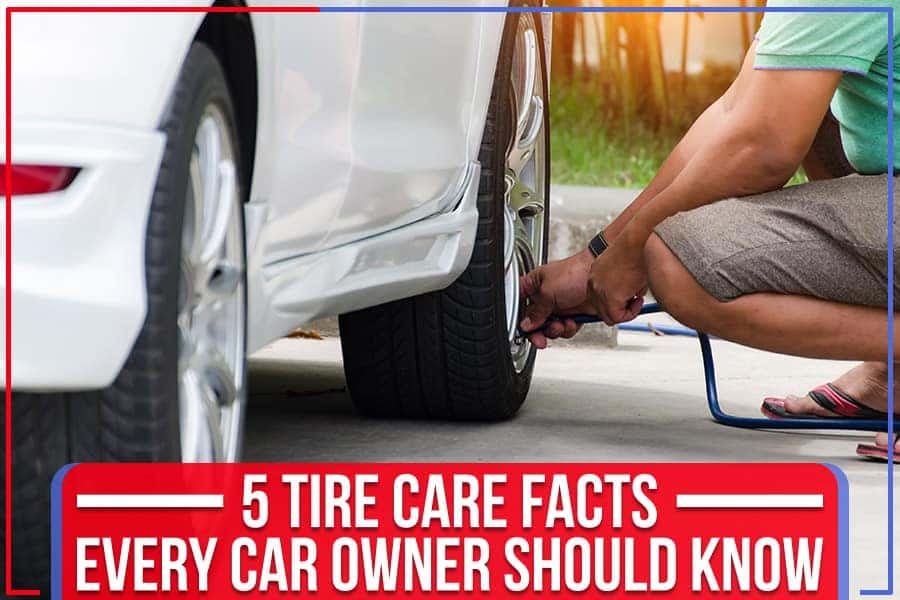
Your car’s tires are one of its most critical components, and if they are not well taken care of, it can lead to a very dangerous situation on the road. If you are unsure how to keep your tires in good shape, this post is for you.
Here are five tire care facts that every car owner should know.
1) Check the Pressure on Your Tires Regularly
Tire pressure is very important because it affects gas mileage, safety, and wear. Ensure to check the tire pressure every month by using a tire gauge or having them checked at a gas station. You should also have them checked before taking a long drive.
If the pressure is not correct, it can cause uneven wear on your tires and lead to a blowout while driving. It’s also important to note that over-inflating your tires can be just as dangerous as under-inflating them, so always follow the recommended tire pressure guidelines in your car’s owner’s manual.
2) Tires Wear Over Time
Just as with anything else in life, tires wear down over time. The tread on your tires will eventually disappear and won’t be able to grip the road as well, leading to a decrease in safety while driving.
You can tell when it’s time for new tires by doing the penny test: place a penny into the tread with Abe facing down. If you can see the top of his head, it means your tires need to be replaced soon! You should also change them if they are damaged or have deep cuts in the sidewall.
3) Ensure the Tires are Aligned
If your vehicle pulls to the left or right, it might be time to align your tires. This will help ensure that all four tires are hitting the road at an equal angle, so they wear down evenly and don’t need replacing as quickly.
It’s also important to note that not getting regular alignments can lead to uneven damage to your tires. They may wear out more quickly because you’re not allowing them to lay flat on the road, which prevents even treading.
4) Rotate the Tires Regularly
This is an important step to keep your tires lasting long and ensuring that they wear out evenly. If you rotate them every six months, this will help keep all four tires wearing down evenly.
5) Drive Smoothly to Avoid Excess Wear
Driving rough can cause unnecessary wear and tear on your tires. Not only does this reduce the life of your tires, but it also reduces fuel economy because you’re constantly bouncing up and down as you drive. Try to avoid sudden stops or starts if possible, which will not only keep your car in better condition but save money at the same time.
Our tire center at Cutter Buick GMC, serving Waipahu, HI, can help you keep your vehicle running smoothly for many miles to come. We want to be the first place that comes to your mind when you need to buy new tires or require any other type of tire service. If you’re looking for a top-notch dealership tire center that offers great auto care services, please feel free to schedule an appointment with our tire department today.
4 Tire Maintenance Tips For A Longer-Lasting Vehicle
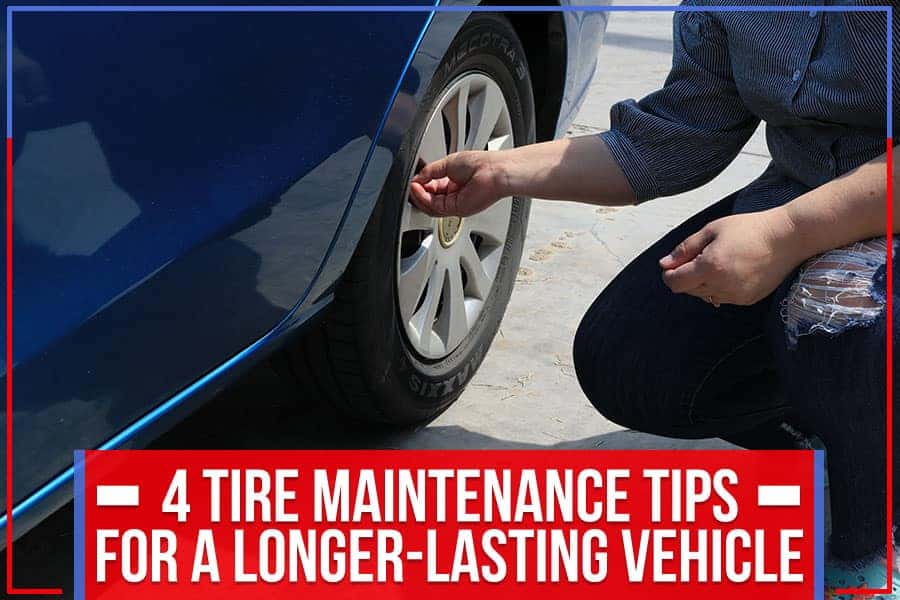
Your car is a significant investment, and you want to do everything you can to make sure it lasts as long as possible. One of the most important things you can do to ensure the greater longevity of your car is to take care of your tires.
Not only does proper tire maintenance help your car run better, but it also helps keep you safe on the road. Many people don’t think about it until there’s a major problem and the car stops running because of it, but it can be too late by then.
This blog post will discuss four tips for maintaining your tires and keeping them in good condition. Follow these tips, and you’ll be able to extend the life of your vehicle!
Check for Tire Pressure
We cannot emphasize enough on this one – tire pressure is indeed the most critical aspect of your tire care and maintenance.
To ensure the pressure is enough, you need to check it at least once a month. If the air pressure is low, it can hurt your tire’s overall performance and may wear out.
Do a Quick Tire Inspection
A quick tire inspection is always recommended before you use the car to leave for anywhere. Have a quick look at the tires look for any damage caused by puncture or low air pressure. If you suspect a problem, get your tires checked right away, especially if planning a long trip.
In addition, if there’s a puncture, see if it needs replacement depending on the damage caused to the tire and get it repaired or replaced before the trip.
Rotate the Tires
Rotating tires is always recommended after you’ve driven your car for 6000 – 8000 miles. The main benefit of rotating tires is that it equalizes the wear that tires receive, hence increasing the lifespan of your tires.
Most mechanics provide this service for free or at a low cost.
Don’t Overload the Car
This is not a well-known fact, but most people who overload their cars end up damaging their tires. There’s a certain limit of the weight a car can carry, exceeding which can impact your tires severely.
Find out the weight for your vehicle can ideally ensure, and don’t exceed that limit.
Your tires will surely last longer if you pay attention to these four most crucial tire maintenance tips.
If you’re not enthusiastic about maintaining your tires, the experts at Cutter Buick GMC serving Waipahu, HI, will be glad to perform an inspection to determine the cause and repair it so your vehicle can get back to doing what it does best.
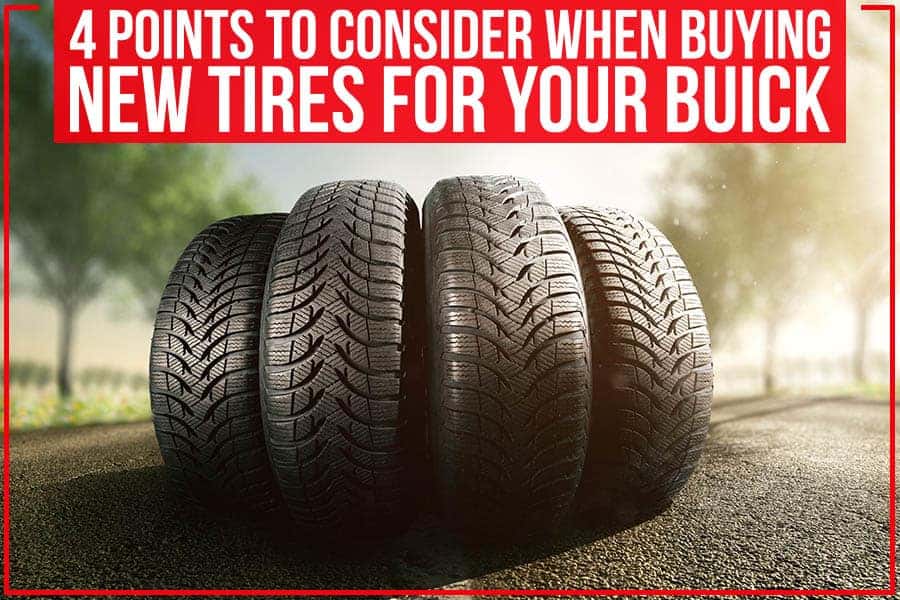
Tires play a critical role in the safety and performance of your vehicle. You’ll want to remember a few points when replacing your old tires. This post will discuss the most important factors to consider when buying new tires for your Buick. We’ll cover everything from size and type to price and warranty. And, you’ll be able to choose the right set of tires for your car confidently!
1) Select the Right Tire Size
The first thing you’ll want to consider is the tire size. You’ll want to ensure you select a tire size that is compatible with your Buick. You can find this information in your car’s owner’s manual or the driver’s side doorjamb placard.
It’s important to select the right size tire because if the tire is too small, it could impact your Buick’s fuel efficiency. If the tire is too big, it could make your vehicle more difficult to handle.
Additionally, you’ll want to ensure the tires you select have the same load index and speed rating as the ones that came standard on your car. A load index is a number that corresponds to the maximum weight the tire can support. The speed rating is a letter that corresponds to the maximum speed at which the tire can be safely driven.
2) What Type of Driving do You Do?
If you drive on the highway, you’ll want to look for tires designed for that. Conversely, if you do much stop-and-go driving, you’ll want to look for tires designed for that terrain. You may want to consider all-season or performance tires.
Another thing to remember is the climate in your area. If your area gets snow and ice, you’ll want to look for tires designed for that type of climate, such as winter tires. Conversely, if your area is mostly sunny and dry, you’ll want to look for tires designed for that type of climate, such as summer tires.
3) Price
You’ll want to find a tire that fits your budget and driving needs. If you do a lot of highway driving, you’ll want to prioritize tires with a longer tread life. If you do city driving mainly, you might be able to get away with a tire that has a shorter tread life but is less expensive. Remember that the cheapest option isn’t always the best option. Don’t skimp when it comes to your tires. Ensure you’re getting a quality product from a reputable company.
4) Warranty
Most tires come with a warranty. This is important because it can save you money in the long run. If something happens to your tire and the warranty covers it, you won’t have to pay to have it repaired or replaced. Ensure to read the warranty before purchasing.
When you’ve found the ideal tire, it’s important to have it installed by a qualified technician. They will ensure that your new tires are properly balanced and inflated. Improperly installed tires can lead to premature wear and tear.
Cutter Buick GMC, serving Waipahu, HI, is the ideal place to buy or service your Buick tires because of our certified technicians, competitive prices, and convenient location. Our certified technicians have the experience to care for your Buick tires properly, and our competitive prices make it easy to get the best value for your money. So, if you’re looking for a reliable set of tires, be sure to visit Cutter Buick GMC. We look forward to serving you!
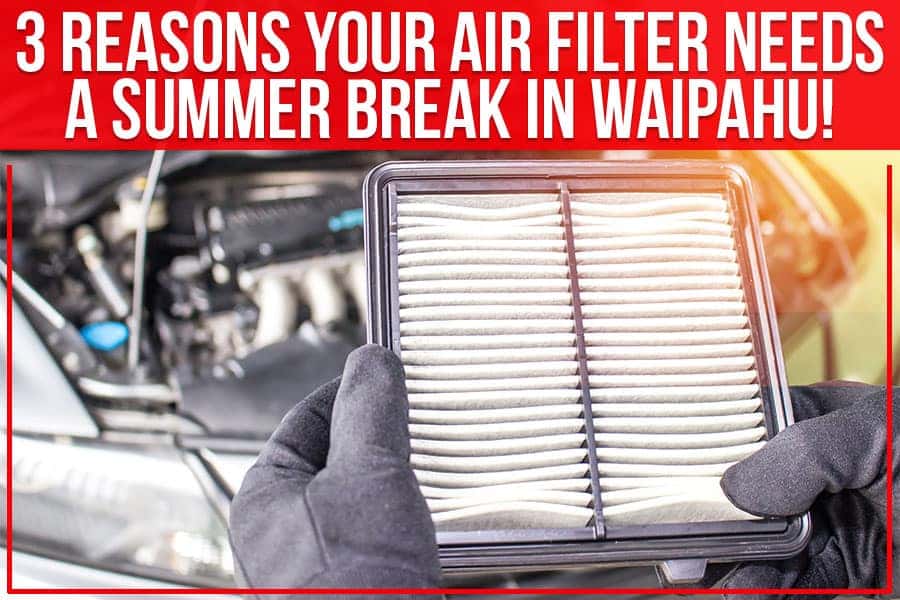
It’s summer, so it’s time to stretch out and take a break! Not only for us happy travelers but for our cars too.
The air filter is one of the most critical components of your car that needs a summer break. In this blog post, Cutter Buick GMC will discuss some reasons why it’s time to change your car air filter.
Keep scrolling for more info!
What Does The Car’s Air Filter Do?
The air filter’s primary purpose is to, well, filter the air! It does this by trapping dirt, dust, and other airborne particles that can enter the engine. Doing so helps keep your engine clean and running smoothly.
Over time, however, the air filter gets blocked with all the debris it has trapped. When this occurs, it can no longer do its job correctly. This can cause several problems for your car, so it’s essential to change the air filter regularly.
Reason 1: Pollen
Summer presents the height of sniffle season for many allergy sufferers. And if you’re one of them, you’re probably not the only affected person in your household. Chances are, your car is struggling with pollen, too!
Pollen is especially bad for cars because it can quickly clog up the air filter. When this happens, it restricts airflow to the engine and can cause many problems. These include decreased fuel economy and increased emissions.
If you’re constantly struggling with allergies, you must change your car’s air filter more often. This will help keep your car running smoothly and prevent long-term damage.
Reason 2: Overheating
With all the gunk and pollen that can build up in your car’s air filter, it’s no wonder it can start overheating. When a car’s air filter is clogged, it doesn’t allow enough air to flow through. This can cause the engine to overheat and eventually break down.
The summer temperatures are also already higher than usual, creating a recipe for disaster. A clogged air filter will only worsen things, so changing it before the summer heat hits is essential.
Otherwise, you can expect your car to have many problems.
Reason 3: Smells
Restricted airflow spells nothing good for a car, including how it smells. When you don’t have enough air flowing through your car, all the smells get trapped inside. Any musty odors or carbon monoxide leaking from the engine can build up and make your car stink.
So, if you’re noticing an unpleasant smell coming from your car, it’s probably time to change the car air filter. Not only will it help with the smell, but it will also keep you and your passengers safe.
Conclusion
At Cutter Buick GMC, we pride ourselves on serving Waipahu, HI, with quality auto technicians & mechanics. So, if you need a new air filter (or any other service), visit us, and we’ll take care of you. We deal in Buick & GMC OEM parts & accessories that are fresh off the boat & match the standards you’d deem worthy for your car!
Don’t let your air filter go another summer without a break. Your car will thank you for it. Schedule a service with us today!
14-Point Essential Checklist for Buying Used Cars
Buying a used car can be a smart and cost-effective decision, but it also requires careful research and planning to ensure you’re making a wise investment. In this comprehensive guide, we’ll provide you with an essential checklist to follow when buying a used car, helping you navigate the process with confidence and drive away with the perfect vehicle for your needs.
Read this guide to find out:
Research and Preparation
Before you even set foot on a dealership lot or browse online listings, it’s crucial to conduct thorough research and prepare yourself for the used car buying process. Consider the following steps:
1. Determine Your Budget
Establish a realistic budget based on your financial situation and consider factors such as down payment, monthly payments, insurance, maintenance costs, and fuel expenses. Remember, when buying a used car, you may also need to allocate funds for potential repairs or replacements.
2. Identify Your Needs and Preferences
Make a list of your priorities and preferences in a vehicle, such as size, fuel efficiency, safety features, and technology. This will help you narrow down your choices and focus on finding a used car that best meets your requirements.
3. Research Potential Vehicles
Once you have a clear idea of your needs and budget, research various makes and models that fit your criteria. Read reviews, compare specs, and gather information on common issues or problems associated with each vehicle.
Inspecting the Vehicle
When you’ve identified a potential used car, it’s essential to conduct a thorough inspection to assess its condition and identify any potential issues. Keep the following points in mind during your inspection:
4. Exterior Condition
Examine the vehicle’s exterior for signs of damage, such as dents, scratches, or rust. Check the body panels for alignment and consistency, and inspect the paint for any signs of fading or mismatched colors. Additionally, assess the condition of the tires and ensure they have adequate tread depth and even wear.
5. Interior Condition
Inspect the interior of the used car for signs of wear and tear, such as stains, tears, or odors. Test all electronic features, including the audio system, climate control, and power accessories, to ensure they’re functioning properly.
6. Under the Hood
Check under the hood for any signs of leaks, corrosion, or damage. Examine the belts and hoses for cracks or wear, and inspect the fluid levels and condition, including engine oil, coolant, and brake fluid.
Test Drive and Mechanical Inspection
A test drive and mechanical inspection are critical components of the used car buying process, as they can reveal potential issues that may not be apparent during a visual inspection.
7. Take a Test Drive
During the test drive, pay attention to the vehicle’s performance, handling, and comfort. Listen for any unusual noises, such as squeaks, rattles, or grinding sounds, and note any issues with acceleration, braking, or steering. Test the vehicle under various conditions, such as city streets, highways, and hills, to get a comprehensive understanding of its capabilities.
8. Schedule a Pre-Purchase Inspection
A pre-purchase inspection by a trusted mechanic can provide valuable insight into the used car’s condition and uncover potential issues that may not be visible during a visual inspection or test drive. While this may involve an additional cost, it can save you money and headaches in the long run by avoiding costly repairs or purchasing a problematic vehicle.
Negotiation and Finalizing the Deal
Once you’re satisfied with the used car’s condition and performance, it’s time to negotiate a fair price and finalize the deal.
9. Determine a Fair Price
Research the market value of the used car based on its make, model, age, mileage, and condition. Websites such as Kelley Blue Book or Edmunds can provide valuable pricing information to help you determine a fair offer.
10. Negotiate Confidently
Armed with your research and knowledge of the used car’s value, negotiate confidently with the seller to secure the best possible price. Be prepared to walk away if the seller is unwilling to meet your terms or if you feel pressured into making a decision.
11. Review the Vehicle History Report
Before finalizing your purchase, request a vehicle history report to uncover any potential issues, such as previous accidents, title problems, or odometer discrepancies. Review the report carefully and address any concerns with the seller before proceeding.
12. Complete the Necessary Paperwork
Once you’ve agreed on a price and are ready to purchase the used car, ensure all necessary paperwork is completed, including the title transfer, registration, and any applicable taxes or fees.
13. Transfer the Money and Obtain Insurance
Make sure the payment is completed in full and you have proof of the transaction. You will also need to obtain insurance before driving the used car away. You don’t want to be caught without coverage if you’re involved in an accident.
14. Get Ready to Hit the Road
Now that you’ve completed your purchase, make sure to take care of any necessary maintenance items as soon as possible. Then, get ready to hit the road with confidence in your new (used) ride! With the information and steps outlined above, buying a used car can be a simple and stress-free process. Doing your research and being prepared will help you make an informed decision as you search for the perfect pre-owned vehicle.
Visit Cutter Buick GMC to Buy Your Dream Car
By following this essential checklist when buying a used car, you can make an informed decision and drive away with confidence in your new-to-you vehicle. Remember that thorough research, careful inspection, and smart negotiation tactics are key to securing the best deal on your dream car.
Are you ready to purchase a used car? Visit Cutter Buick GMC to explore our selection of certified pre-owned vehicles. Our experienced sales team is here to help you find the perfect fit. Contact us today to get started!
10 Blunders to Avoid When Buying Your Dream Car
According to a Lending Tree survey, about 40% of car buyers regret their purchase. Some regret because of things they’d have avoided if they’d known better. At Cutter Buick GMC, we want you to be happy with your new car purchase. To ensure you don’t join that club, and ensure you get the best deal on your dream car, here are 10 blunders to avoid:
1. Not Setting a Realistic Budget
Research your ideal car and its associated costs before you start shopping. Know how much you can realistically spend, and don’t forget to factor in things like insurance, taxes, registration fees, gas money, maintenance costs and depreciation. Many car buyers get overly excited about the prospect of owning a car and forget their budget, leading to a purchase that doesn’t fit into their financial situation. You want to avoid being in a situation where you can’t afford the car and its associated expenses.
2. Not Researching Your Option
Before you commit, be sure to shop around for the best purchase option available. Consider things like warranties, financing details, and other incentives that might be worth considering when making your decision. Don’t just focus on the price tag, research all of the details. What value are you getting in return for your purchase? Is it worth the cost?
3. Skipping a Test Drive
Test driving is an essential step in purchasing a car. It allows you to get comfortable with how the car feels and handles before making any big decisions. A test drive also allows you to check out certain features that may not have been evident during your initial research. Don’t skip this step — take the time to confirm that the car is right for you. Ideally, test driving should be done at different times of the day if that’s what you think is right.
4. Not Checking the Vehicle History Report
A car might be attractive on the surface, but that doesn’t mean it’s worth the cost. It’s important to check out the background and history of a vehicle before making any decisions. One way to do this is by ordering a Vehicle History Report through an online provider such as Carfax or AutoCheck. These reports provide detailed records on a car’s service, number of owners, and accident or damage reports. It’s always better to be informed before you buy, so make sure to get a full overview of the vehicle’s past.
5. Not Checking for Recalls
No matter how well-maintained or new a car is, it’s important to make sure there are no recalls on the model before you buy. Although recalls are sometimes issued due to minor problems, they can also be issued for larger safety concerns. To check if a vehicle has any recalls on it, drivers can visit the National Highway Traffic Safety Administration’s (NHTSA) website and search by their Vehicle Identification Number (VIN). If there are any open recalls, make sure to get them addressed prior to buying or driving the car.
6. Not Shopping Around for Insurance
The cost of car insurance is often an afterthought for most car buyers yet it’s one of the biggest expenses associated with owning a vehicle. Different insurers may offer different rates for the same coverage, so be sure to compare multiple quotes before selecting an insurance policy. Also be aware that some dealerships may require buyers to purchase certain types of coverage, such as Gap Insurance or Extended Warranty policies, in order to complete the purchase.
7. Not Assessing Their Needs Properly
Before buying a car, it’s important to assess your needs and consider what features you require from the vehicle. Consider factors such as seating capacity, cargo space, fuel economy, and performance when deciding which car is best for you. It’s also wise to research different models to ensure that the one you choose meets all of your needs.
8. Buying Features You Don’t Need
Avoid the temptation to buy features you may not need. While it may be tempting to add all of the bells and whistles, such as power windows, GPS navigation systems, and extra audio equipment, these extras can drive up the cost of your vehicle significantly. Stick to the necessary features for a more economical purchase. This is particularly true if you are getting a loan to purchase the vehicle as you don’t want to be saddled with too much debt.
9. Not Considering Used Over Brand New
Zero mileage cars are a great allure, but the truth is that you may be able to find a much better deal on a used car. Used cars depreciate in value much more slowly than brand-new ones and they can offer the same features and reliability as their newer counterparts. Do some research and shop around for the best deals available.
10. Ignoring Reviews and Testimonials About Your Preferred Car
You should read reviews and testimonials about your preferred car before making a purchase. Get an unbiased opinion about the features, performance, and reliability of the vehicle to make sure that you are getting the best value for your money. Checking with trusted sources such as Consumer Reports can help you make an informed decision. When possible, take a test drive in a car and talk to friends and family who have owned the car before to make sure that your dream car is exactly what you want.
Talk to Cutter Buick GMC Today to Buy Your Dream Car
These are some of the blunders that you should avoid when buying your dream car. By following these tips, you can ensure that you get the best value for your money and drive away with a car that you will love. At Cutter Buick GMC, we understand that buying your dream car is an important decision. That’s why our team of experienced sales professionals is here to help you find the perfect vehicle for your needs and budget. We can answer any questions you may have about specific features and models, so don’t hesitate to contact us anytime.
Car Tire Service: What You Should Know
Key Takeaways:
- Regular tire maintenance ensures your vehicle’s safety, performance, and longevity.
- Proper inflation, alignment, rotation, and balancing are essential for even tire wear.
- Choosing high-quality tires and knowing when to replace them is vital for your safety.
- Emergency tire maintenance skills can save you from getting stranded on the road.
- Environmentally responsible tire disposal contributes to a cleaner planet.
As a responsible car owner, taking care of your vehicle’s tires is crucial for safety, performance, and overall driving enjoyment. Car tire service is more than just changing a flat tire; it involves regular maintenance to ensure your tires last longer and perform at their best. In this comprehensive guide, we’ll explore the world of car tire service, covering everything from tire maintenance to emergency repair skills. Whether you’re a daily commuter or a weekend road-tripper, understanding the basics of tire service is essential for a smooth and safe journey.
And if you’re in need of professional tire service or advice, our trusted car dealership is here to assist you.
The Importance of Regular Maintenance
Regular tire maintenance is a fundamental aspect of vehicle care. It contributes to your vehicle’s safety, performance, and overall longevity. Just as you wouldn’t skip regular check-ups with your doctor, you shouldn’t neglect your car’s tire maintenance. It’s an ongoing commitment that involves a range of tasks to ensure your tires are in top condition. From checking tire pressure to alignment, these maintenance routines help prevent potential issues and maintain optimal performance.
Proper Tire Inflation
One of the most critical aspects of car tire service is maintaining proper tire pressure. Underinflated or overinflated tires can significantly impact your vehicle’s safety and performance. It’s essential to check your tire pressure regularly, at least once a month, and ensure it matches the recommended levels in your vehicle’s owner’s manual. Properly inflated tires provide better traction, improve fuel efficiency, and enhance overall driving comfort.
Wheel Alignment for Even Wear
Wheel alignment, often referred to as tire alignment, is the process of adjusting the angles of the wheels to the car manufacturer’s specifications. Proper alignment is crucial to ensure even tire wear and consistent handling. Signs that your vehicle may need an alignment include the car pulling to one side, an off-center steering wheel, or uneven tire wear. Regular alignment checks, particularly after hitting potholes or curbs, can prevent these issues and extend your tire’s lifespan.
Tire Rotation and Balancing
Tire rotation and balancing are essential practices to promote even tire wear and ensure a smooth, comfortable ride. Tires on your car’s front and rear axles wear differently due to variations in weight distribution and driving forces. Regular rotation, typically every 6,000 to 8,000 miles, helps balance wear. Balancing involves adjusting the weight distributions around the tire and wheel to ensure even wear. Both practices are crucial to maintaining a stable and comfortable driving experience.
Choosing High-Quality Tires
The quality of your tires significantly impacts your driving experience. Not all tires are created equal, and making the right choice is essential. When it’s time to replace your tires, invest in a reputable tire brand that produces durable and safe products. High-quality tires offer better traction, improved handling, and enhanced wet and dry grip, contributing to a more enjoyable and secure driving experience. While they may come with a higher upfront cost, the longevity and performance benefits more than justify the investment.
Knowing When to Replace Your Car Tires
Recognizing when it’s time to replace your tires is essential for safety and performance. Tires have a finite lifespan, and driving on worn-out tires can lead to reduced traction and handling. Examining the tread depth is an easy way to check your tire’s condition. Use the “penny test” or “quarter test” to gauge whether your tires have enough tread remaining. If the tread is worn down to 2/32 of an inch or less, it’s time to replace the tires. Additionally, watch for signs of damage or uneven wear, and consult a professional if you’re unsure about your tire’s condition.
Emergency Car Tire Maintenance
Sometimes, you may encounter unexpected tire issues while on the road. Knowing how to handle these situations is essential for your safety. Familiarize yourself with how to change a flat tire, carry essential tools such as a jack and lug wrench, and have a spare tire in good condition. Also, consider carrying a tire repair kit for minor punctures. Learning these emergency tire maintenance skills can save you from getting stranded and ensure a smooth journey.
Environmentally Responsible Tire Disposal
When it’s time to replace your old tires, it’s essential to dispose of them responsibly. Many states have specific regulations for tire disposal due to environmental concerns. Avoid simply discarding tires in landfills, as they can take a long time to decompose and may release harmful substances into the environment. Look for local recycling facilities or tire retailers that offer proper tire disposal services. Some places even accept old tires for recycling, reusing them for various purposes, including construction materials and playground surfaces. You contribute to a cleaner and safer environment by disposing of your tires responsibly.
Trusting Professional Tire Service
While many aspects of tire maintenance can be done independently, some tasks require the expertise of professionals. Regularly schedule inspections and maintenance with a trusted tire service provider. They have the knowledge and equipment to perform wheel alignment, balancing, and tire condition assessment. Professional services help ensure that your tires are in the best possible condition, providing safety and peace of mind for your journeys.
Car Tire Service Near You!
Understanding car tire service is fundamental to the safety and longevity of your vehicle. Regular maintenance, proper inflation, alignment, rotation, and balancing are all crucial aspects of tire care. Selecting high-quality tires and recognizing when to replace them ensures your safety. For professional tire service or guidance, visit our reliable car dealership, Cutter Buick GMC, and enjoy a smoother, safer ride on the road.
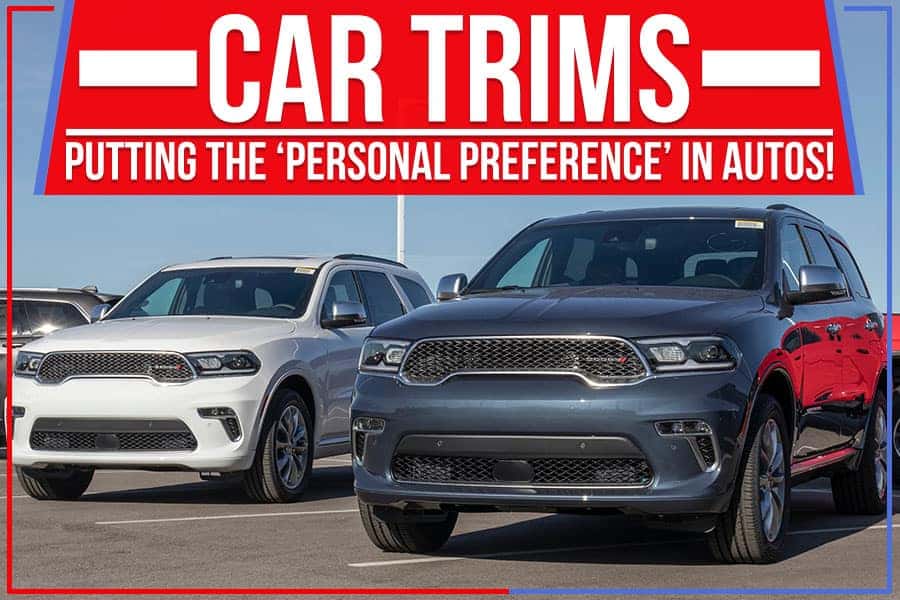
Have you ever been shopping for a car and been completely overwhelmed by all of the options? It can be demanding to comprehend what each term means and even more difficult to figure out which one is right for you. One of the most confusing terms is “trim level.” What does it mean, and how do you choose the right one? This post will explain everything about car trim levels!
Various Trim Levels – What are They?
There are many different types of trim levels available on cars these days. They range from basic, entry-level models to fully loaded, top-of-the-line versions. Each level adds a little more to the car in terms of features and price.
- The most basic trim level is typically called the base or standard model. This is the entry-level model, and it usually doesn’t have many advanced features. It will likely have manual windows and locks, basic cloth seats, and a small engine.
- The next step will add a few more features, such as power windows and locks, upgraded seats and upholstery, and alloy wheels. The engine may also be slightly larger.
- The top-of-the-line model will have bells and whistles, including a premium sound system, leather seats, navigation, and a powerful engine. This is the most highly-priced trim level, but it’s also the one with the most features.
Trim levels are a way for manufacturers to offer different versions of the same car. By offering multiple trim levels, they can appeal to a wider range of customers. Each trim level has its unique features, so there’s something for everyone.
How Many Trim Levels are Available?
The number of trim levels varies from manufacturer to manufacturer. Some manufacturers offer two or three different trim levels, while others may offer up to six or seven. It all depends on how much variety the manufacturer wants to offer. Some manufacturers also offer special edition models that are only available for a limited time. These models usually have unique features that set them apart from the normal trim levels.
Trim Levels Name
The name of a trim level is usually based on the combination of features that are included. For example, a manufacturer might call their entry-level trim the “Basic” or the “Standard.” The next level up might be called the “Deluxe” or the “Luxury.” And the top-of-the-line model might be called the “Platinum” or the “Ultimate.” It depends on the manufacturers. Also, certain trim names don’t even mean anything.
How to Choose a Trim Level?
So, now that you know what trim levels are, which one is right for you? It all depends on your budget and what features you’re looking for. If you’re looking for a basic car with just the essentials, the entry-level trim is probably your best bet.
But if you’re in for a car with the best and most advanced features, you’ll want to go for the top-of-the-line trim level. There’s no wrong answer when choosing a trim level – it’s all about a balance of function & luxury. It all comes down to personal preference.
If you’re still undecided, take some time to do your research. Read reviews of different trim levels and see what other drivers say. If you need assistance, it’s time to visit Cutter Buick GMC, serving Waipahu, HI.
Our knowledgeable and friendly sales staff will be happy to help you purchase a new car. We’ll even give you a test drive to see for yourself how each trim level performs.
Check out our new cars for sale and allow us to help you find the perfect new vehicle.
Connect with us
